Is epoxy a good idea for a basement floor in Utah?
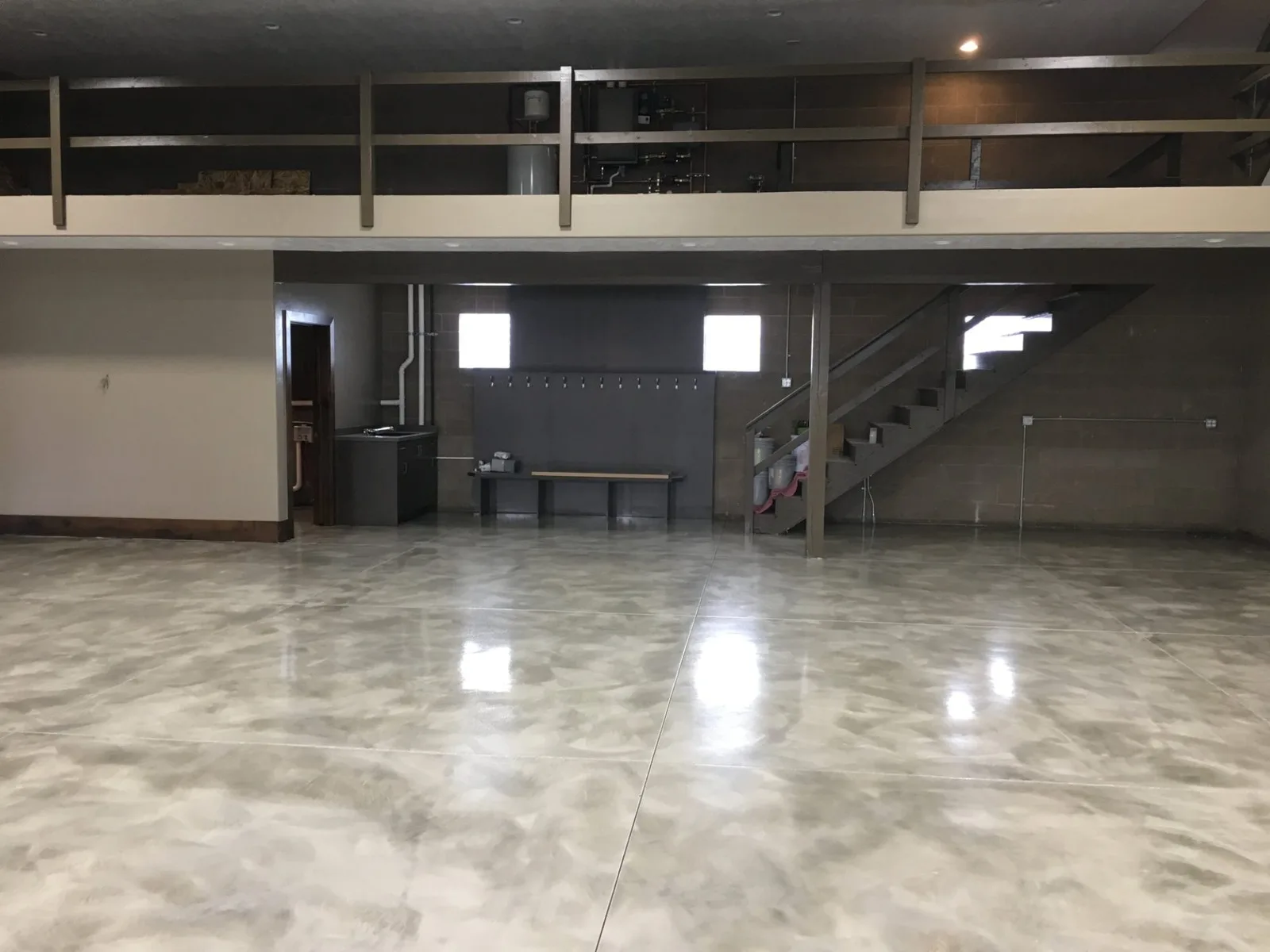
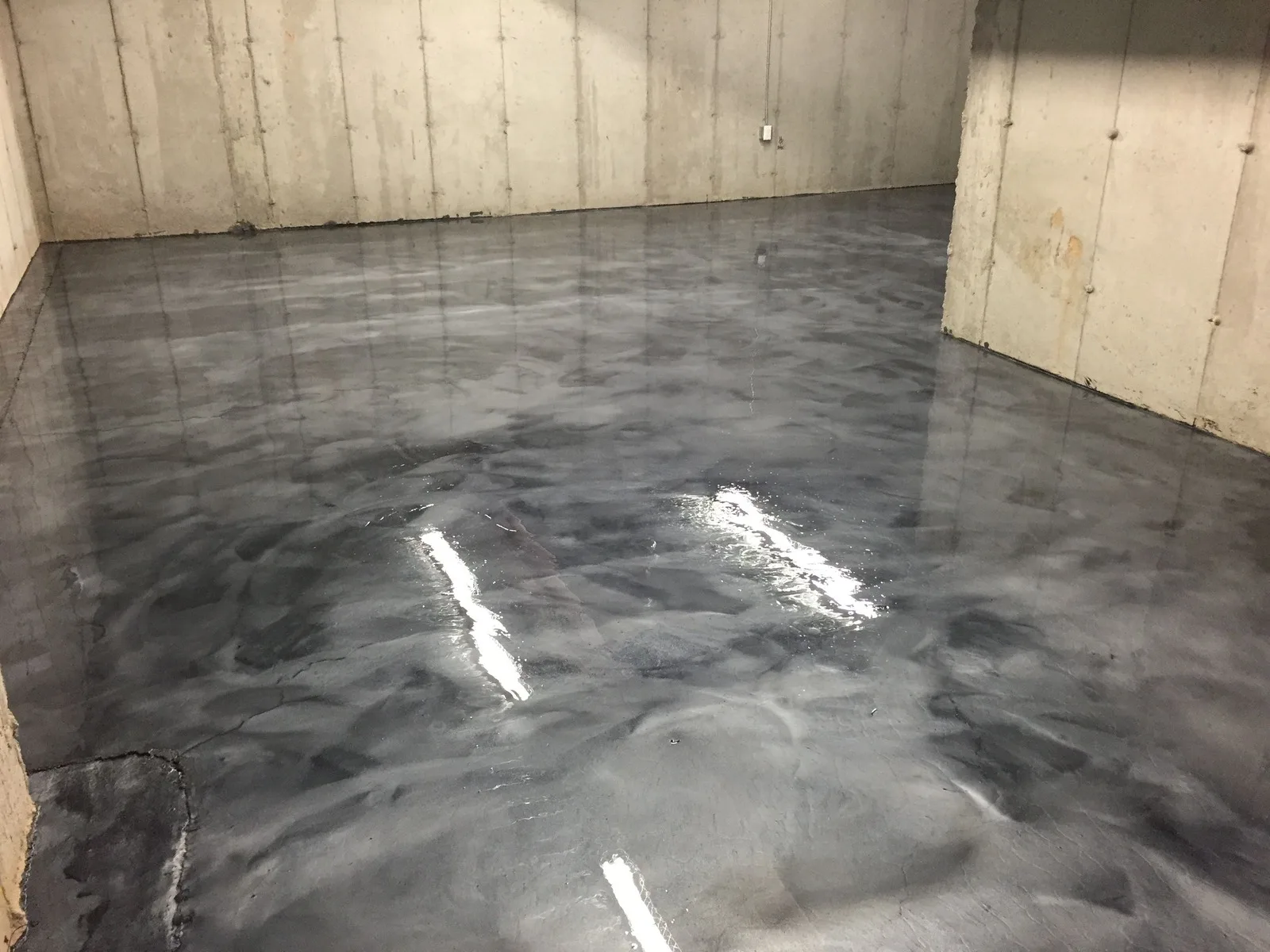
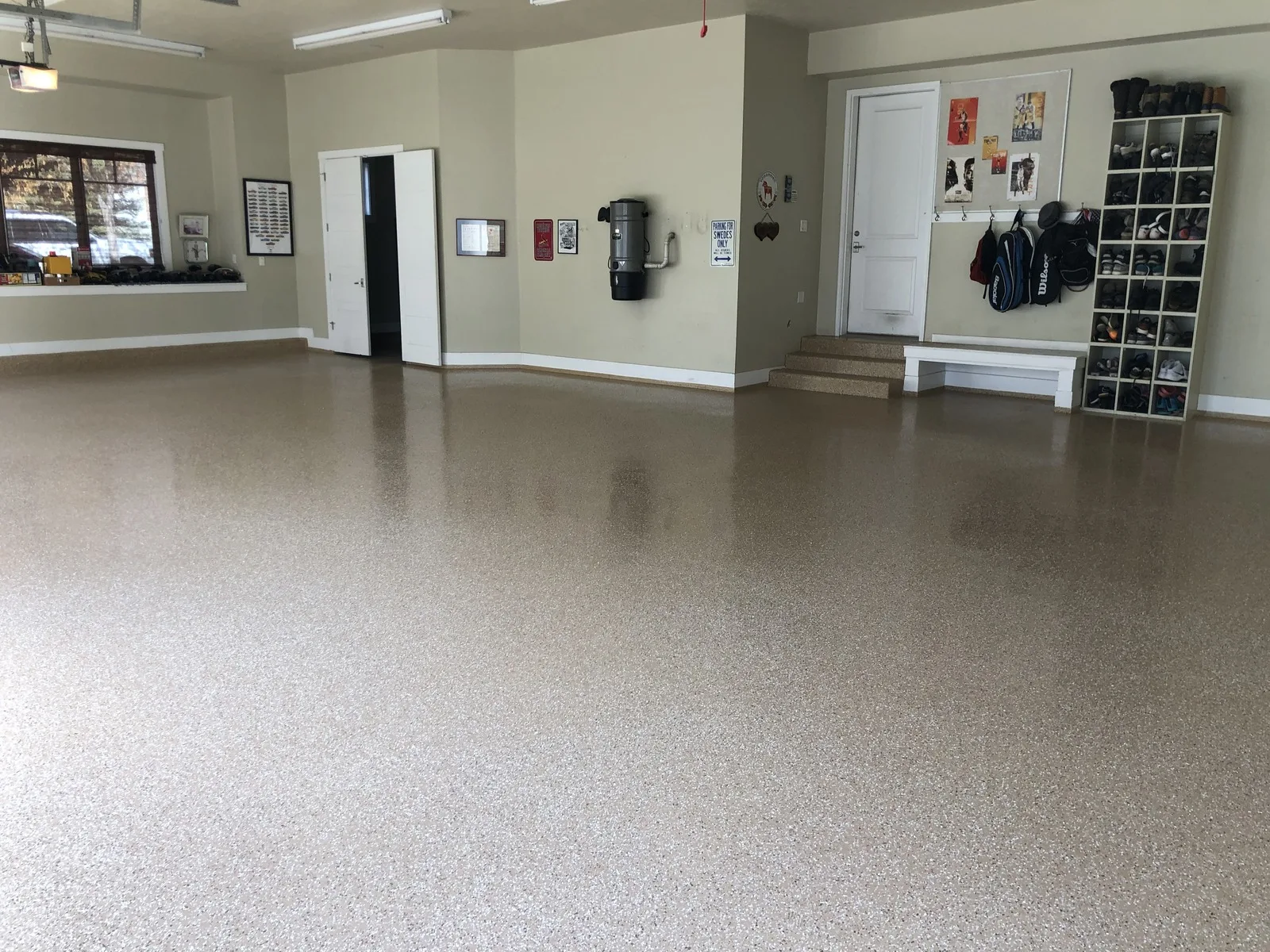
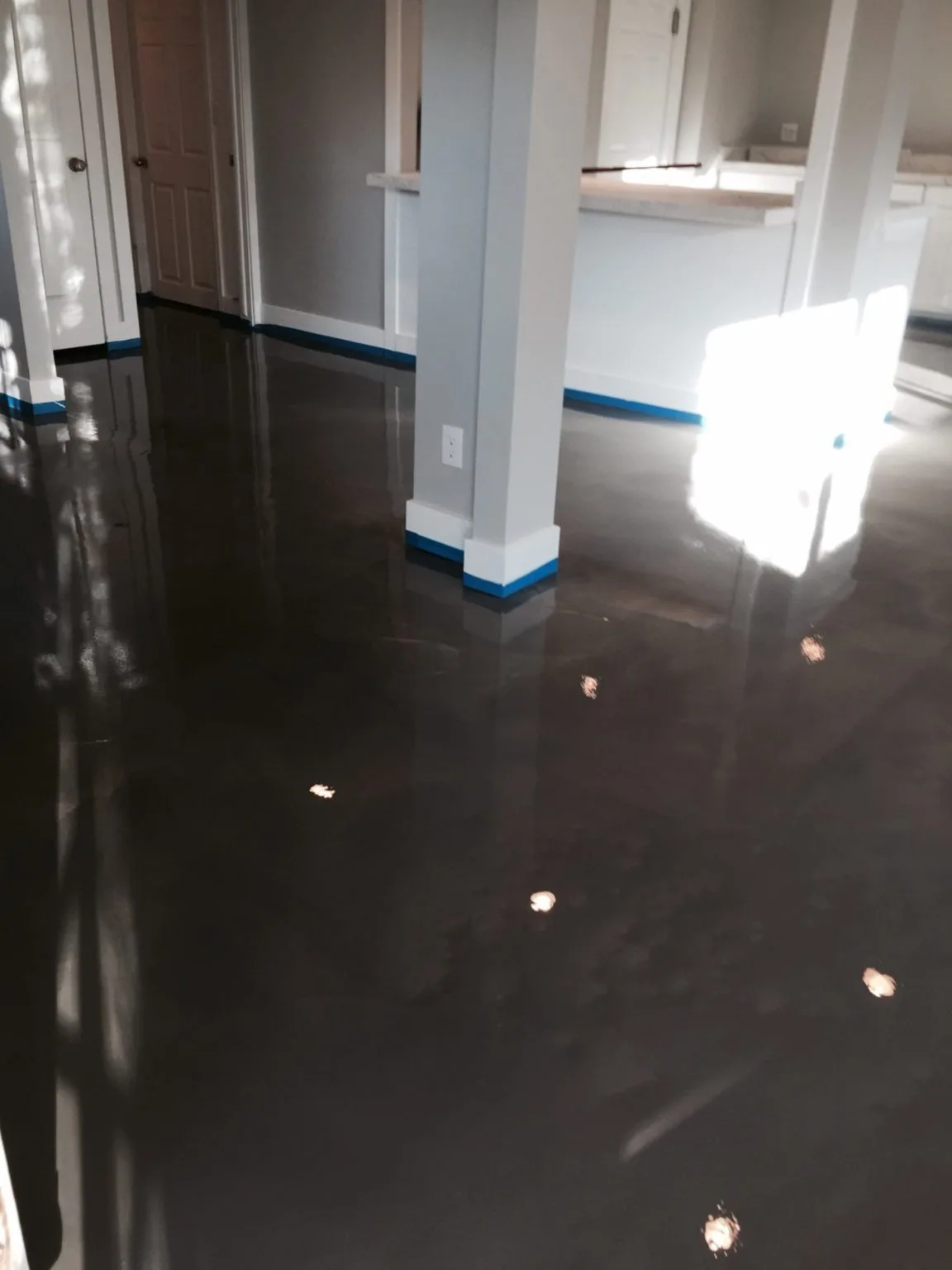
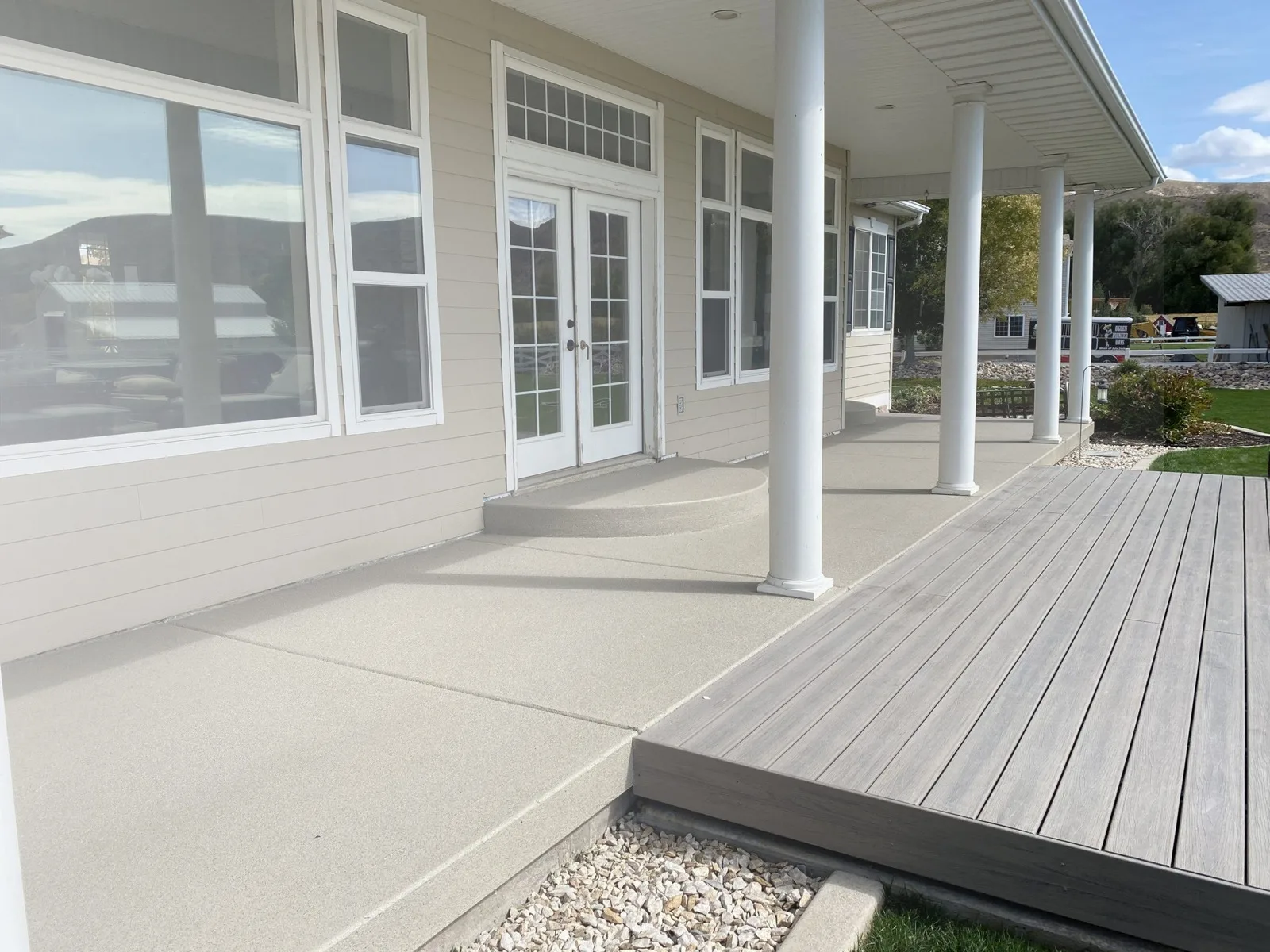
Yes, for most basements. An epoxy basement floor gives you a hard surface that takes furniture, gym gear and a rolling chair. Spills sit on top where you can wipe them up. In a finished basement, the floor reads like part of the room instead of bare gray concrete. In an unfinished basement it makes the space work for storage and a shop bench. The system matches our garage floor coating service, with the color and the sheen picked for a living space. What decides it is the slab, and that is why we test before we quote.
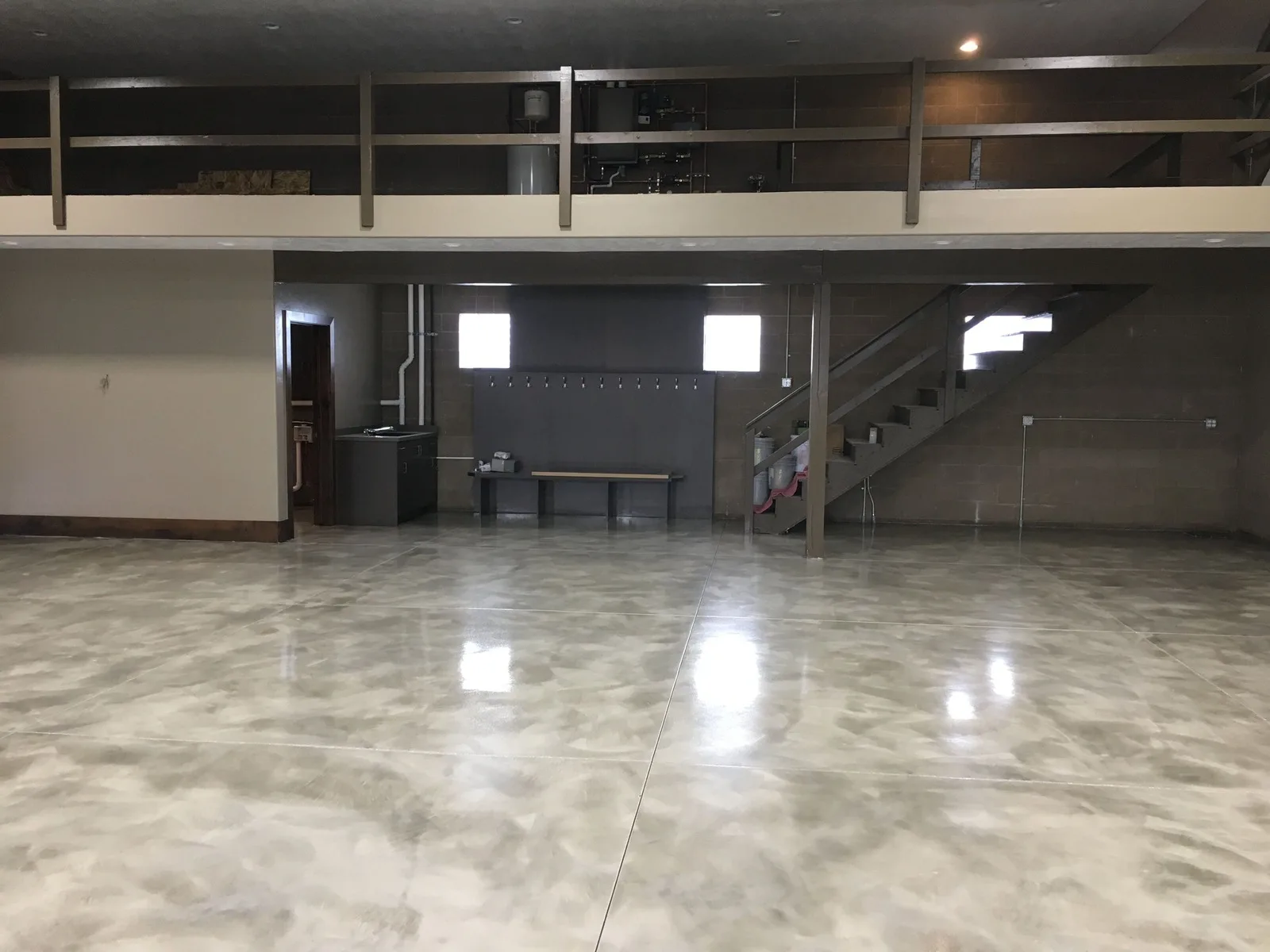
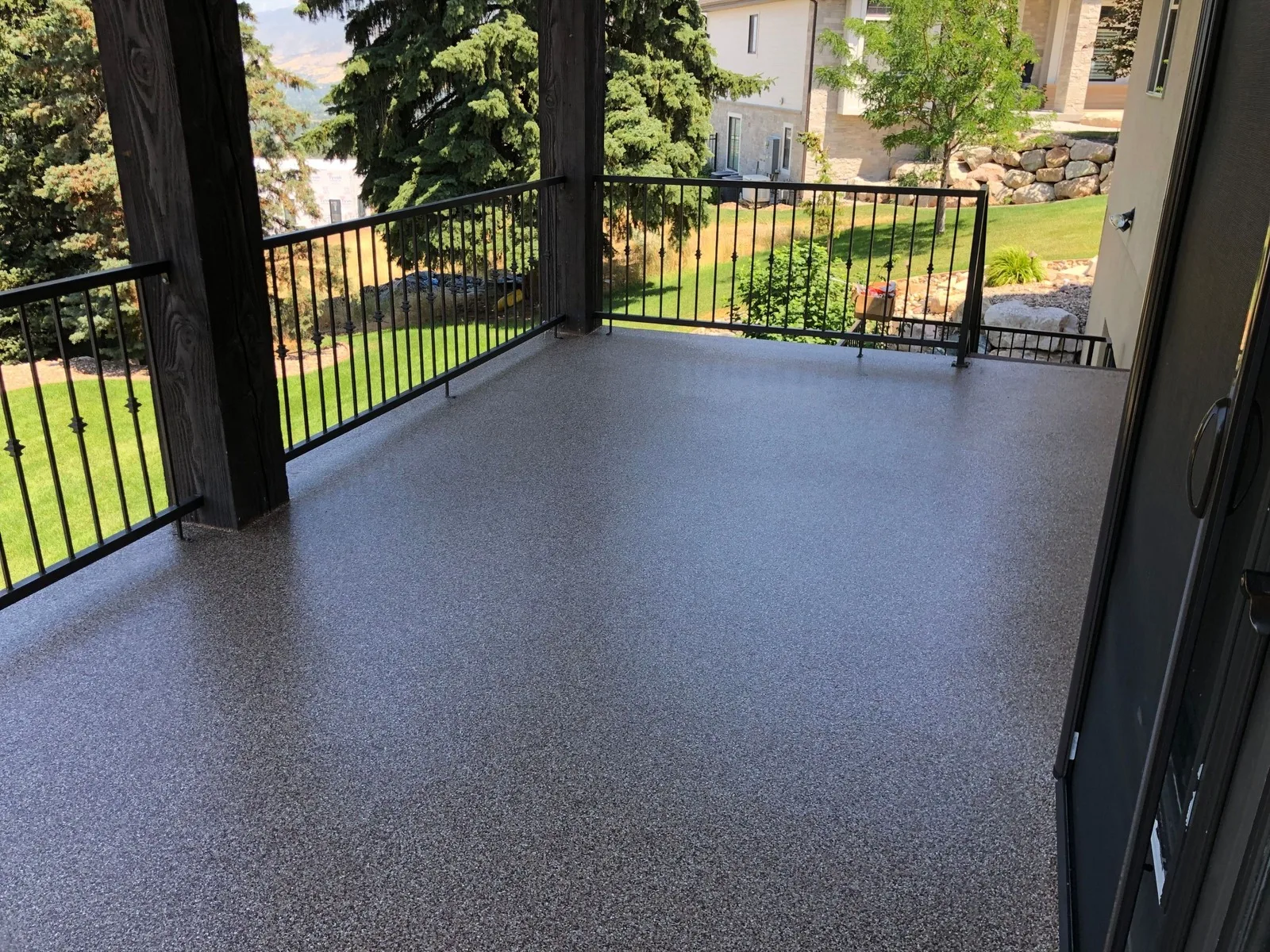
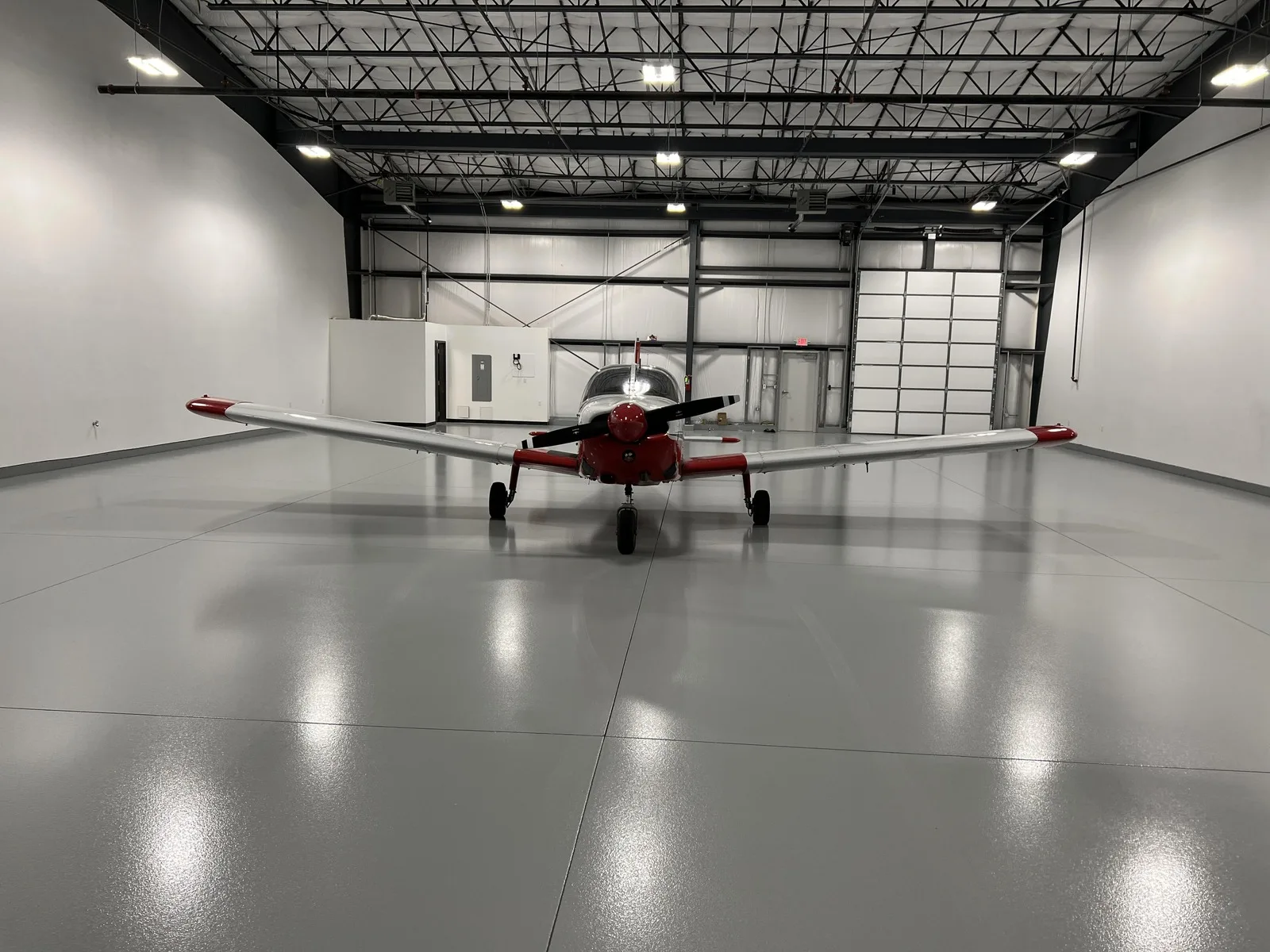
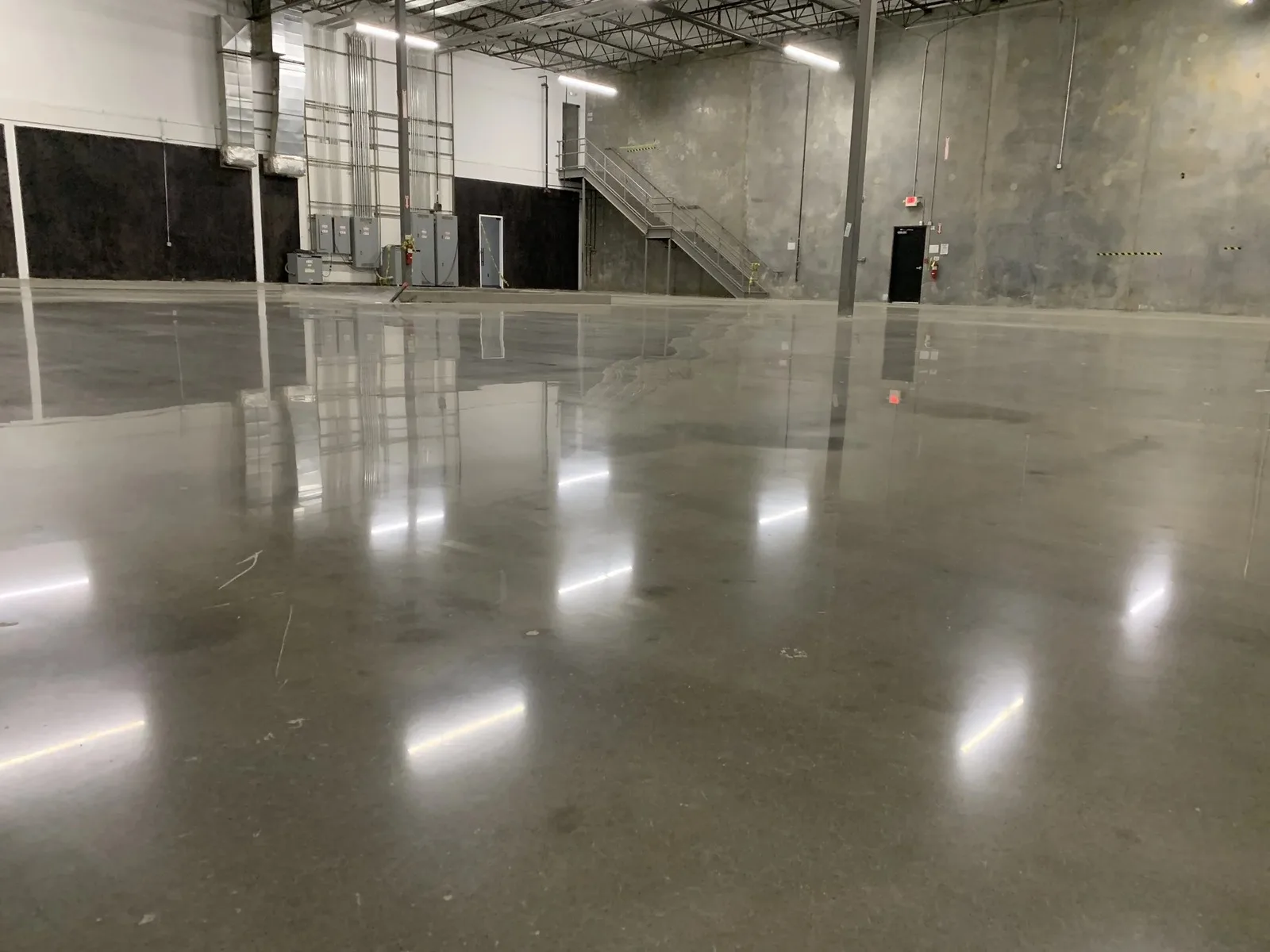
Color is where most basement jobs get settled. A full flake broadcast gives an even speckled floor that hides dust and small flaws in the concrete. Solid color reads clean and simple, which suits a low basement ceiling. Metallic epoxy finishes move light around and make a dark basement feel larger. Sheen matters too. A satin top coat hides footprints and scuffs. A gloss floor bounces more light and shows more. We put samples in front of you on the estimate visit, before anything is ordered.
How do you handle moisture and vapor under a basement slab?
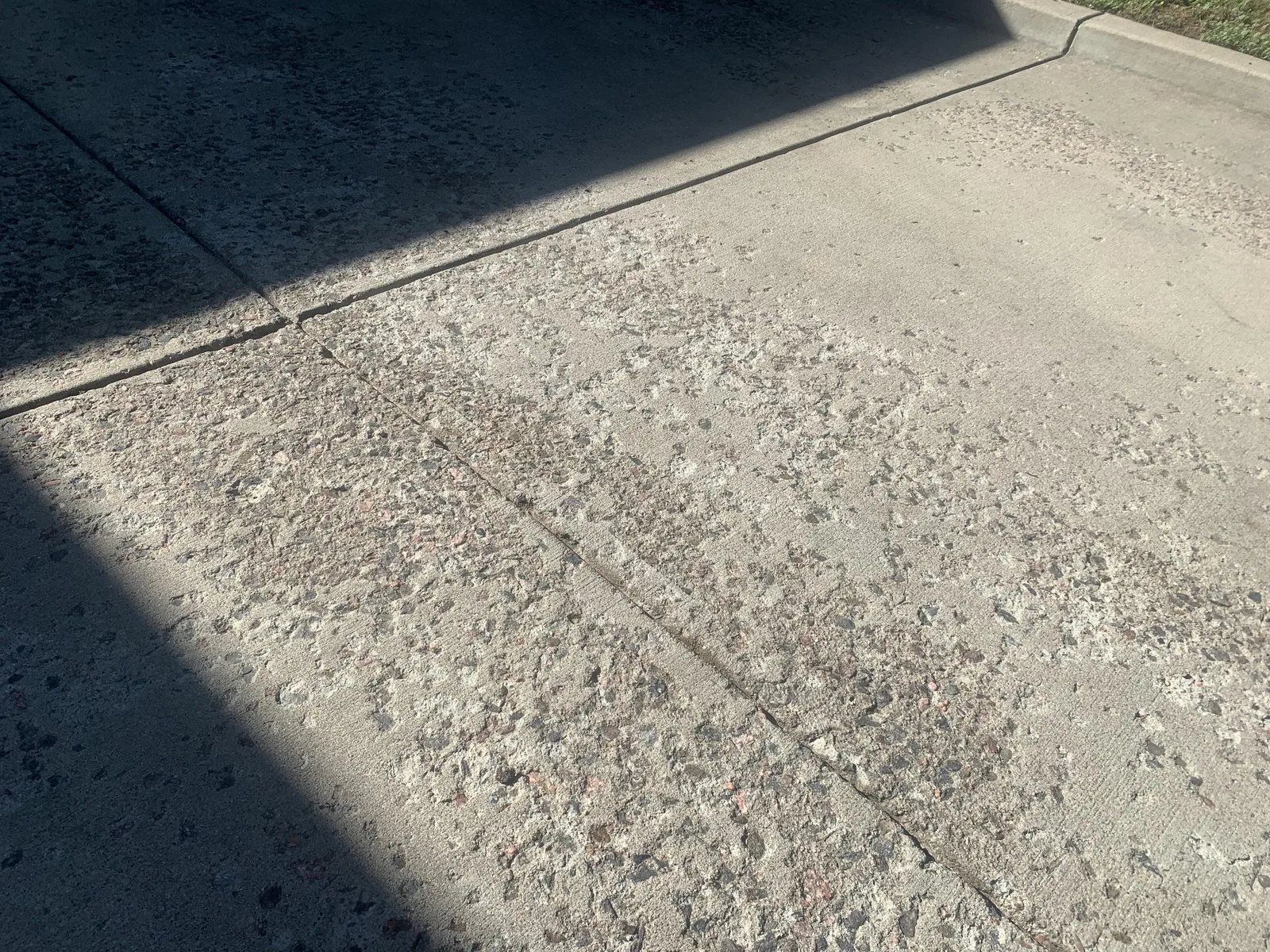
A basement slab sits on soil, and soil holds water. Water vapor moves up through the concrete and pushes on whatever is stuck to the top. That is what lifts a coating that went down without prep. So we test the slab for moisture before we pick a product. Where the reading comes back high, a vapor barrier coat goes down first, then the color and the top coat. Cracks, spalled edges and pitting get fixed at that same stage, the same as our concrete repair work anywhere else. Old paint, glue, sealer and curing compound come off with the grinder first.
Many Utah homes have a cold storage room tucked under the front porch, off the basement. Those rooms run cool and damp, and the slab is often rougher than the rest of the floor. We coat them with the same system, and we test that slab on its own. It can read wetter than the room next door. Shelving comes out first so the grinder can reach the corners and the wall line. A coated cold storage floor sweeps clean and stops the slab from shedding dust onto your food storage. Utility rooms and stair landings get the same treatment when you want the level to match.
What changes the cost of a basement floor coating?
Square footage sets the starting point on any basement floor. After that, the slab decides most of it. A floor with old paint, glue, tack strip or curing compound takes more grinding before color goes down. Cracks, spalled edges and pitting add repair time. A slab that tests wet needs a vapor barrier coat, which adds material and time. The finish matters too, since a metallic floor takes more hand work than a solid color. Access counts as well, because everything comes down a stairway instead of through a garage door. Our Utah epoxy garage floor cost guide lists published market ranges, and the same drivers apply below grade.
Every basement gets priced after we see it. Estimates are free anywhere we work, from Davis County down through Salt Lake County. On the visit we measure the room, check the slab for moisture and note what has to come out. We talk through flake, metallic and solid color, and which top coat fits how you use the space. Then you get a written number for that floor. You have it in hand before anything gets scheduled. Call (801) 347-4518 Monday through Friday, or book a free basement floor estimate through the site.