Garage, basement and shop floors in Salt Lake City homes
Salt Lake City housing runs old on the east side and newer on the west. The Avenues went up mostly between 1860 and 1930, and it is the city's largest historic district. Yalecrest homes mostly date from 1920 to 1940. Sugar House is full of 1920s and 1930s bungalows and Tudors. Those blocks have detached garages off the alley or the back driveway. Many of those slabs are unheated and have taken decades of tires and road salt. Rose Park went up after 1947 as small brick ranch homes for returning veterans. Their garages are small and still have the original slab. Newer infill near downtown has a hard troweled slab that still dusts and stains.
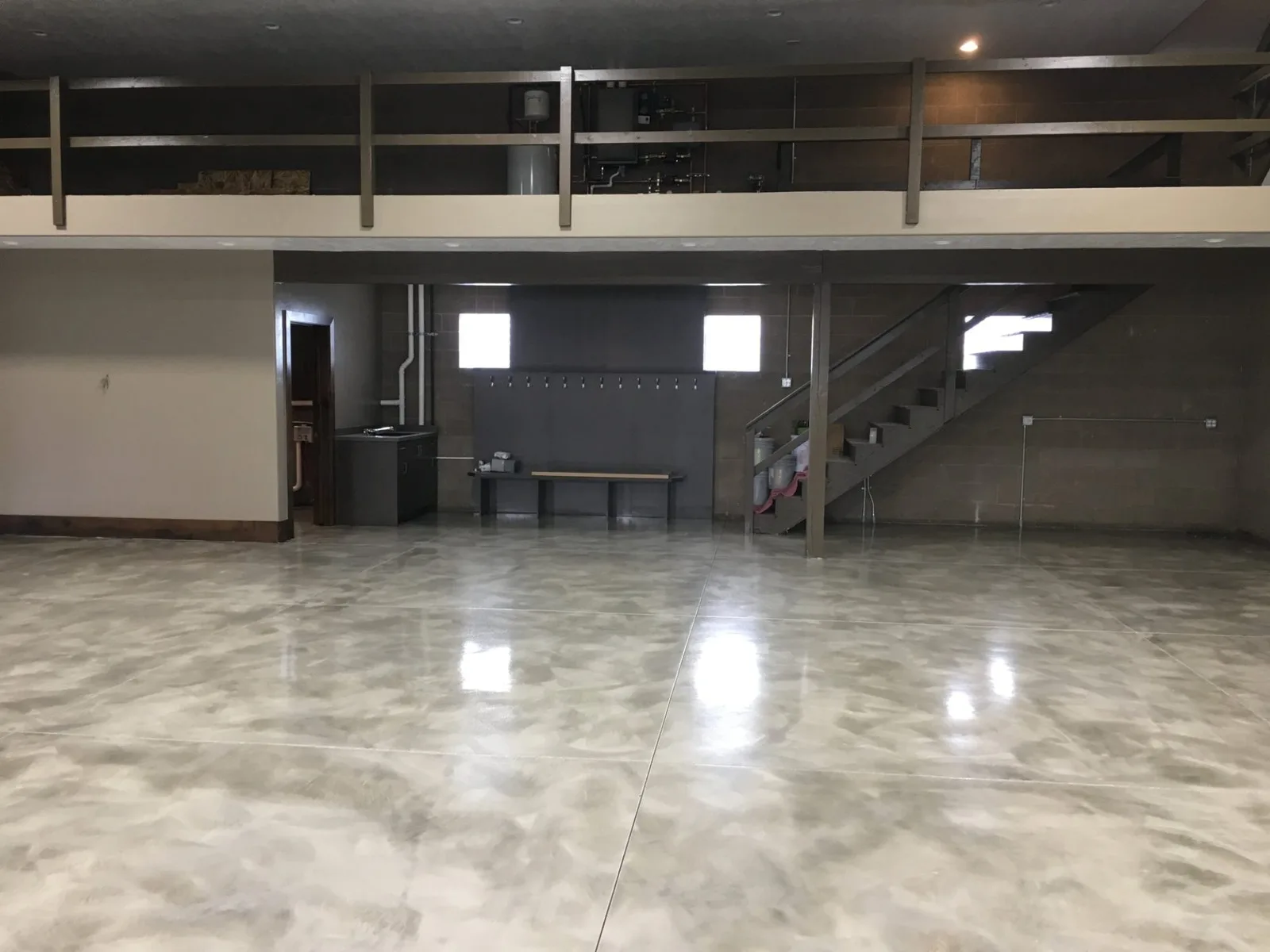
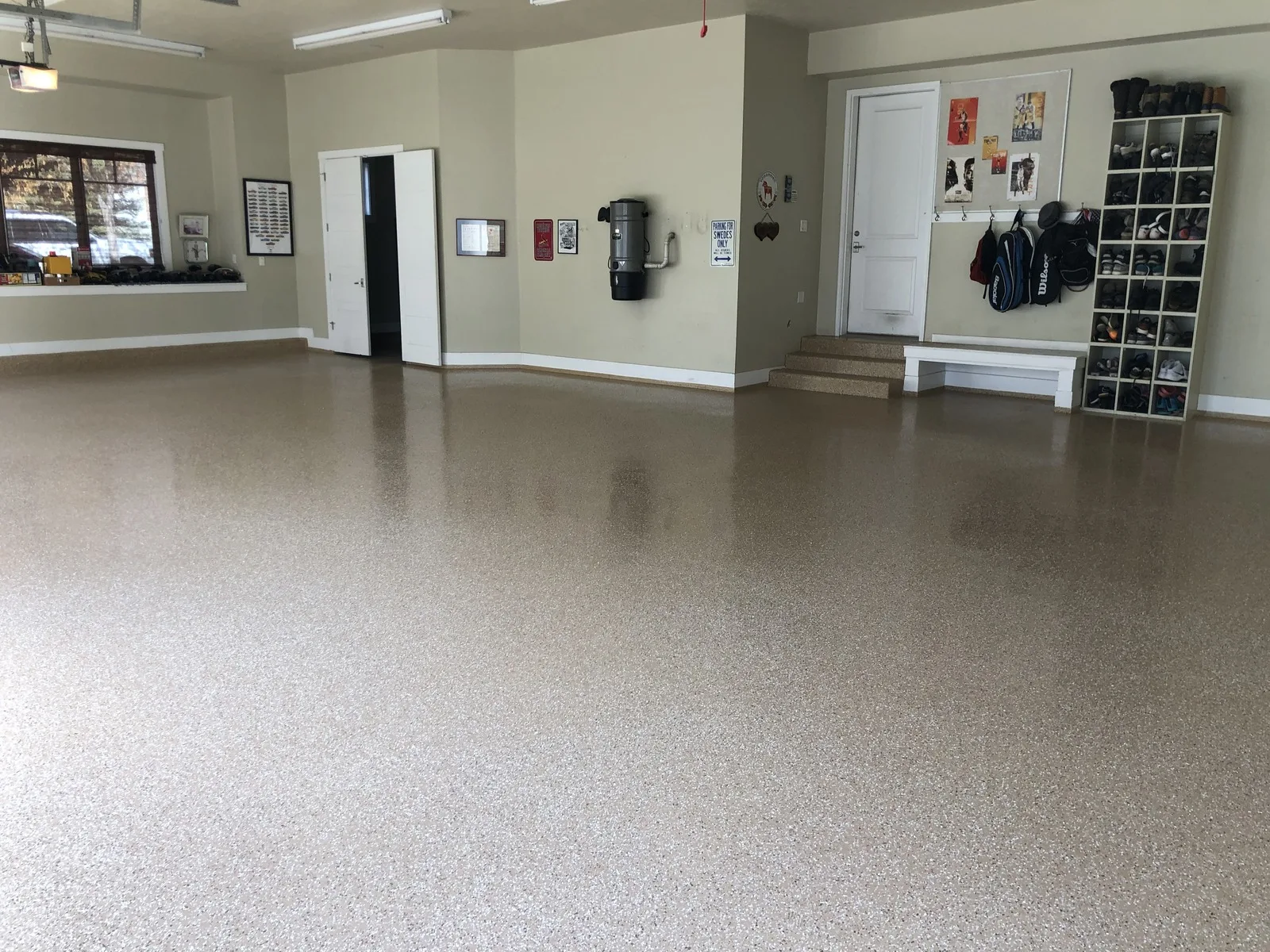
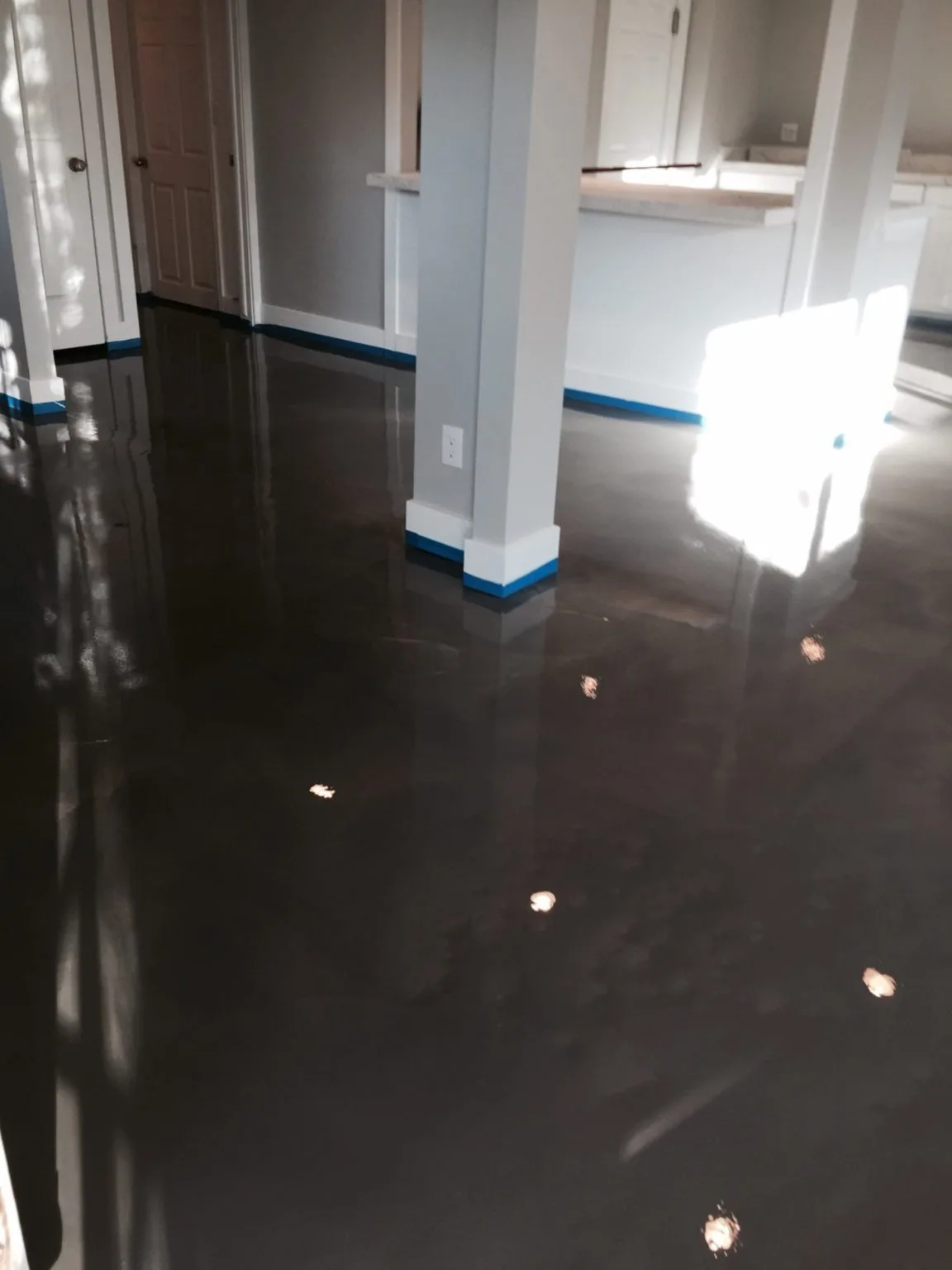
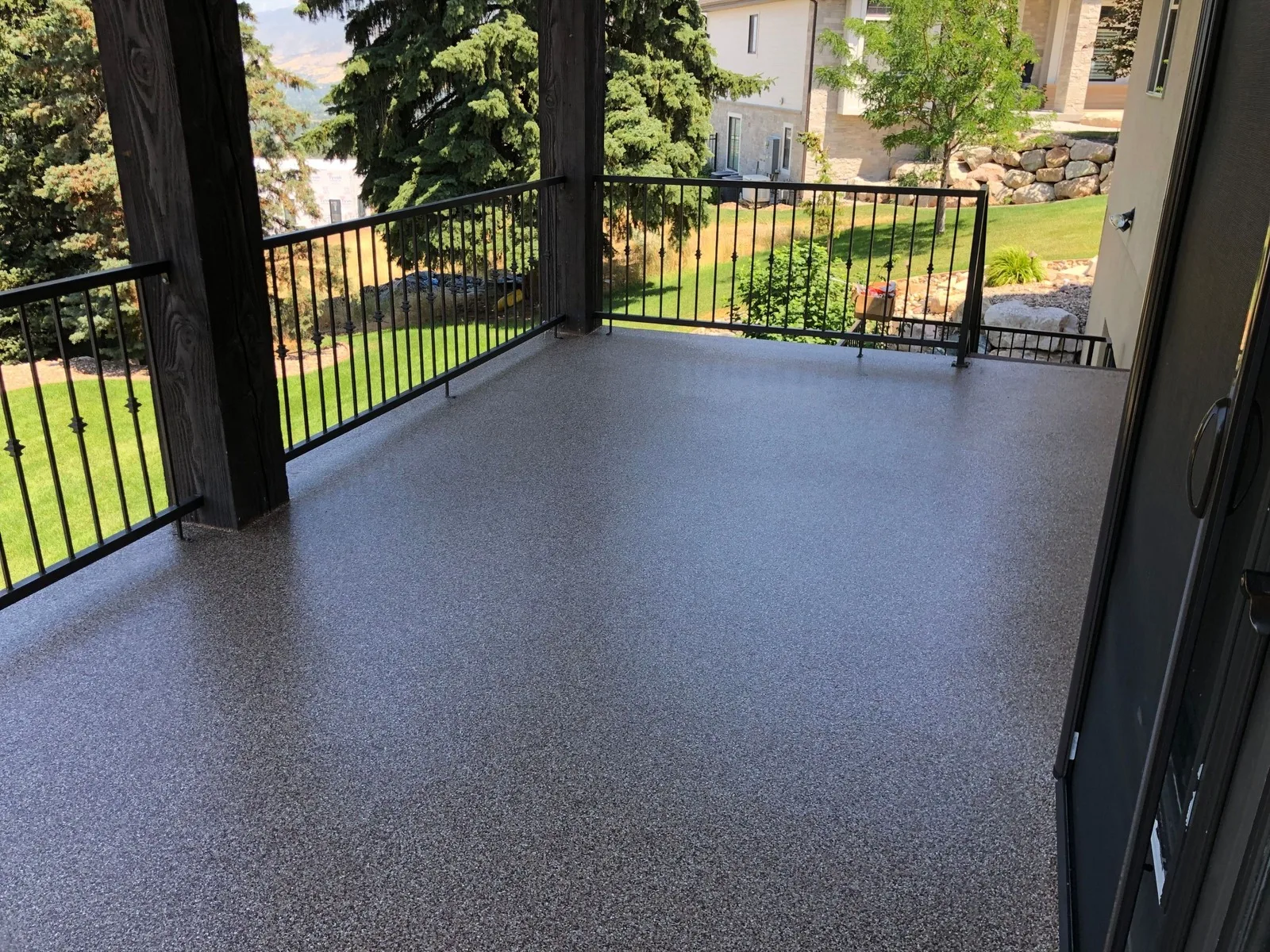
Every floor starts the same way. We grind the slab down to clean concrete, then fill the cracks and pop-outs. A flake system goes on over that for garages and shops, and most of those jobs finish in 1 day. We bring a storage trailer for what is in the garage while we work. If your garage has a failed DIY kit peeling under the hot tire marks, we take it off first. Basements and showrooms often get metallic epoxy flooring, which carries a marble look. For a bare shop slab that is already sound, concrete polishing grinds and densifies the concrete you have. We apply every product to the manufacturer's specifications and pass on the manufacturer's warranty.
Salt Lake City winters, road salt and your concrete
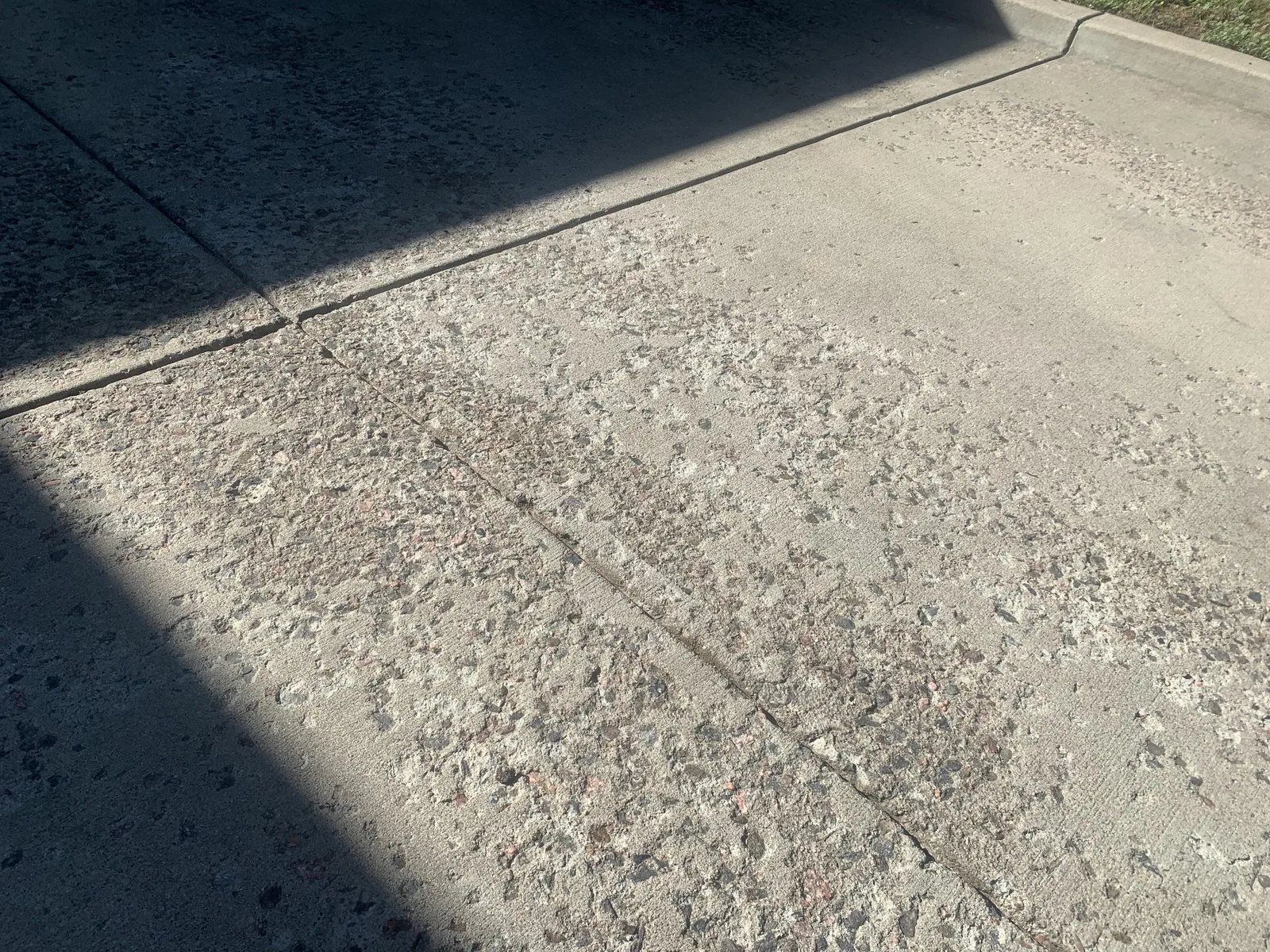
Salt Lake City sits at about 4,300 feet in a valley between the Wasatch and Oquirrh ranges. The airport records around 52 inches of snow in an average year. Lows drop to 32 degrees or colder on about 112 nights, and 21 days a year never climb above freezing. That is a lot of freeze-thaw. Water works into the pores of a slab, freezes, expands and lifts the surface off in flakes. Winter inversions hold the cold air in the valley for days at a time, so the melt is slow. UDOT spreads roughly 236,000 tons of salt on Utah state roads each year. I-15, I-80 and I-215 all meet here, and your tires carry that brine home.
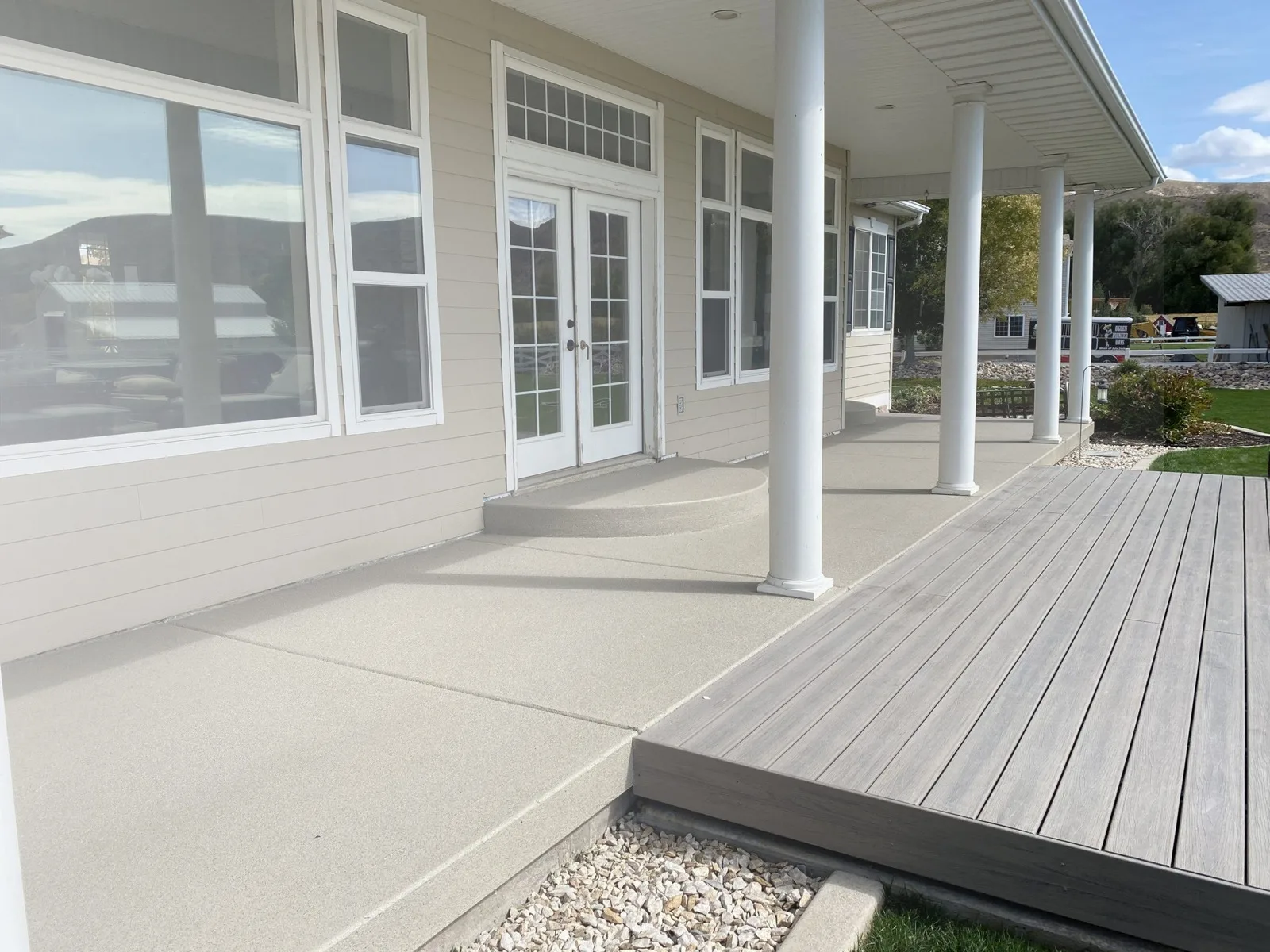
Coatings answer salt damage by keeping the water out of the slab. A garage floor with a flake system and a clear top coat sheds the brine when you rinse it. Outside on a driveway or porch, concrete sealing does the same job. A penetrating siloxane sealer runs about 10 years, while an acrylic sealer gets redone every 1 to 3 years. New concrete waits at least 30 days before it is sealed, and sealers go down between 50 and 90 degrees. West of downtown, the warehouses along I-80 and the hangars at the airport take road salt off tires all winter. Those slabs get a thicker build of commercial and industrial epoxy flooring.
Communities & areas we serve around Salt Lake City: Sugar House, The Avenues, Capitol Hill, Federal Heights, Yalecrest, East Bench, Liberty Wells, Rose Park, Glendale, Granary District.
Salt Lake City ZIP codes served: 84101, 84102, 84103, 84104, 84105, 84106, 84108, 84116.