Which concrete sealer is right for a Utah driveway or patio?
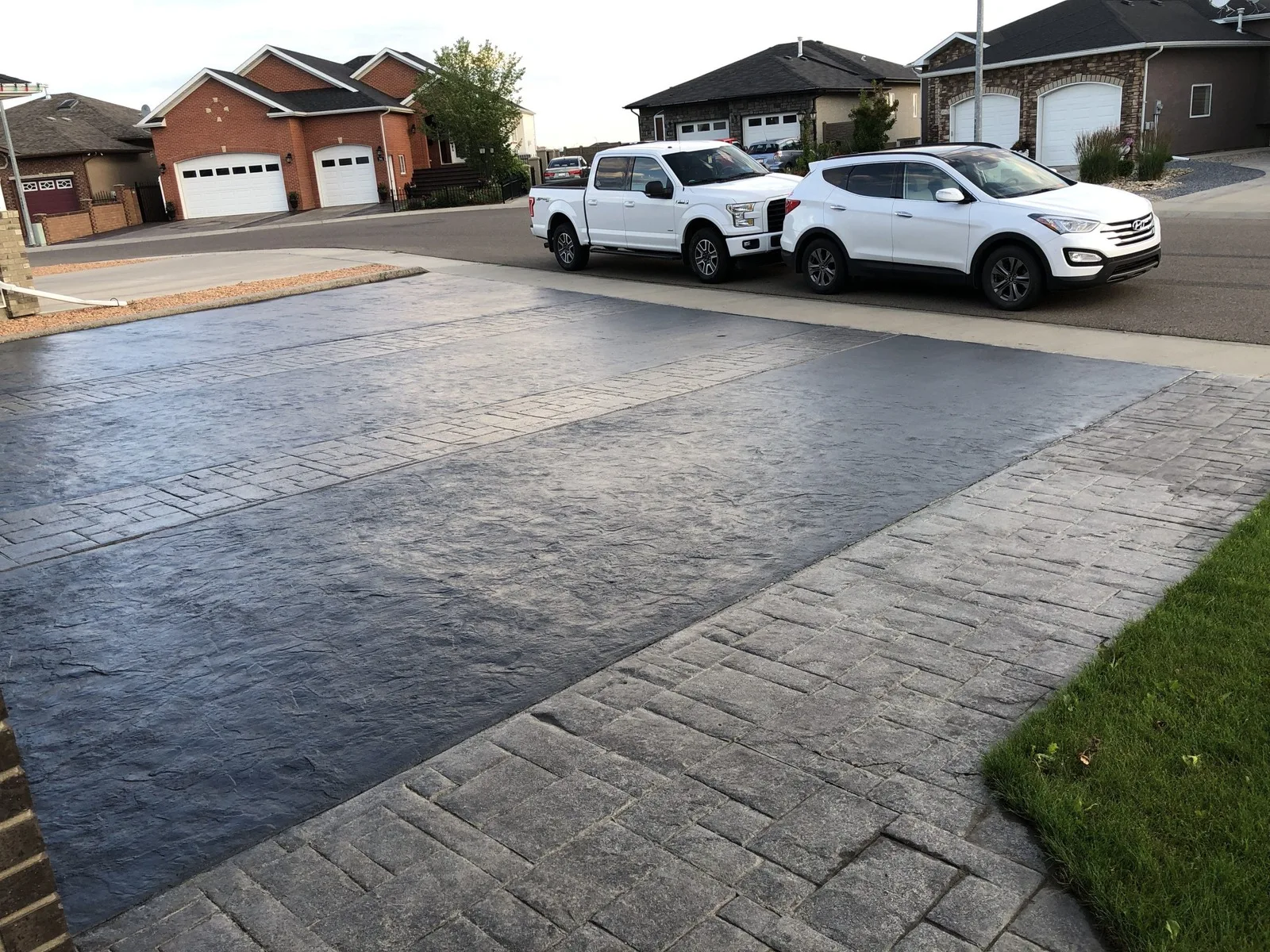
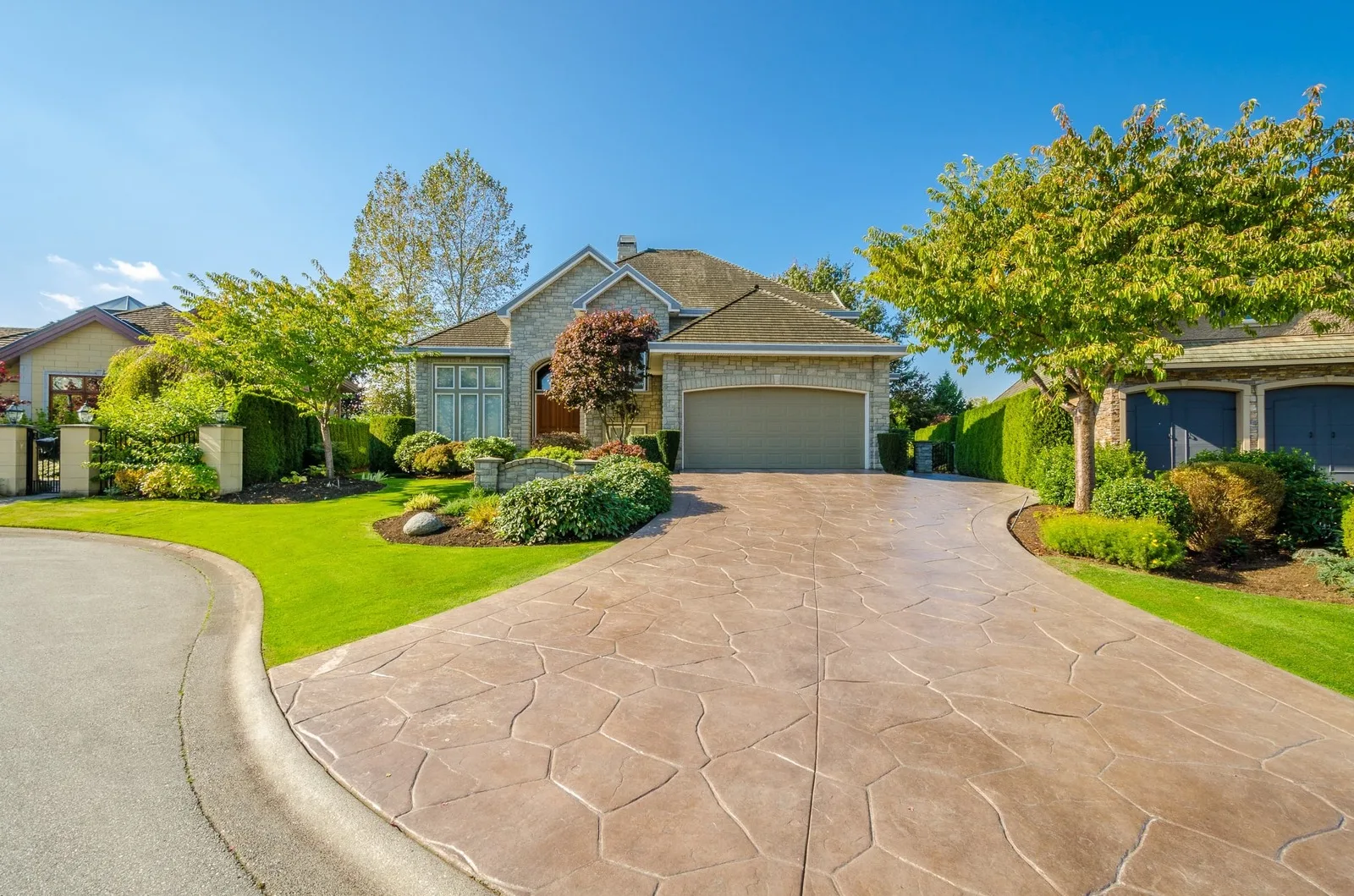
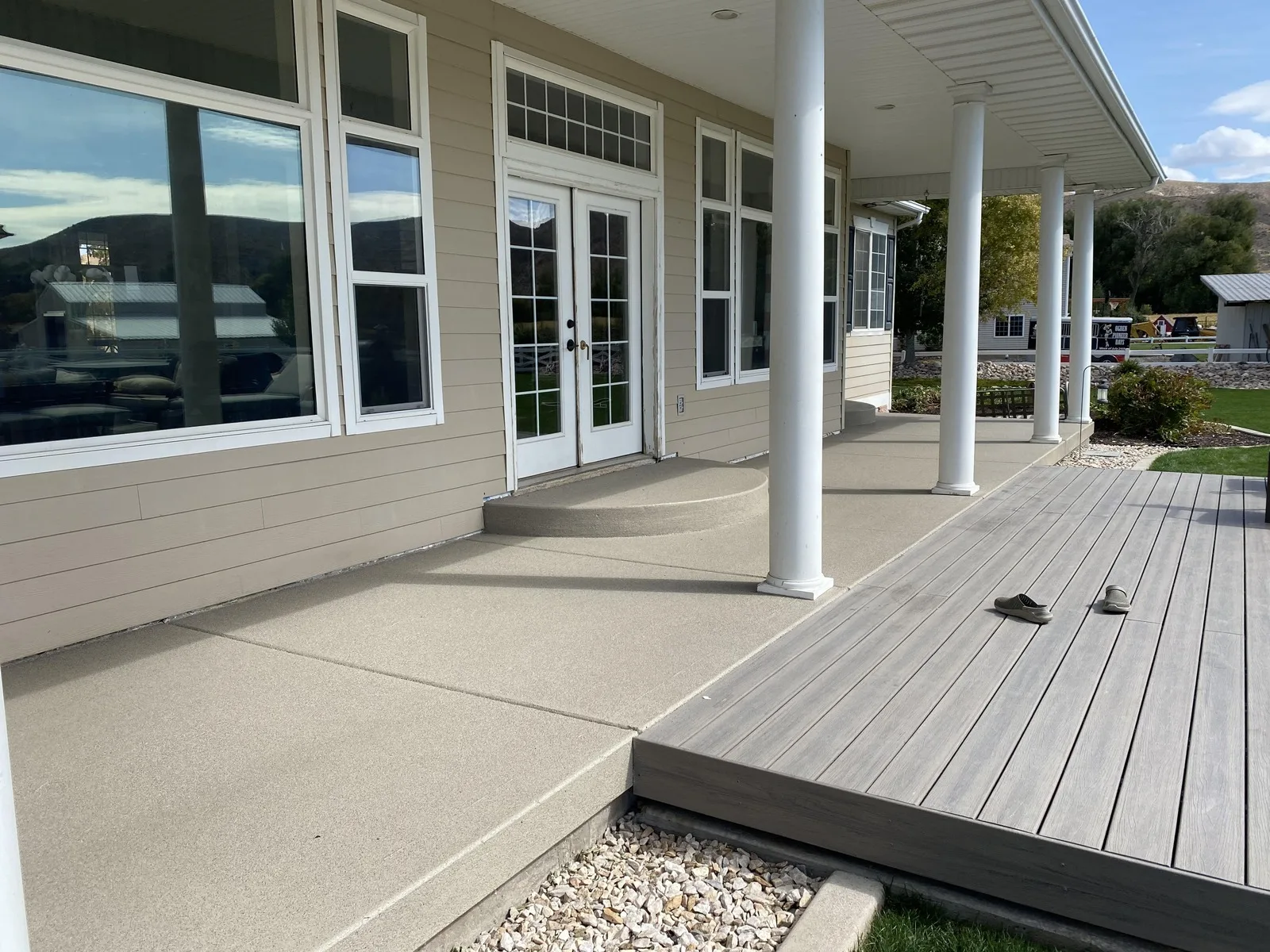
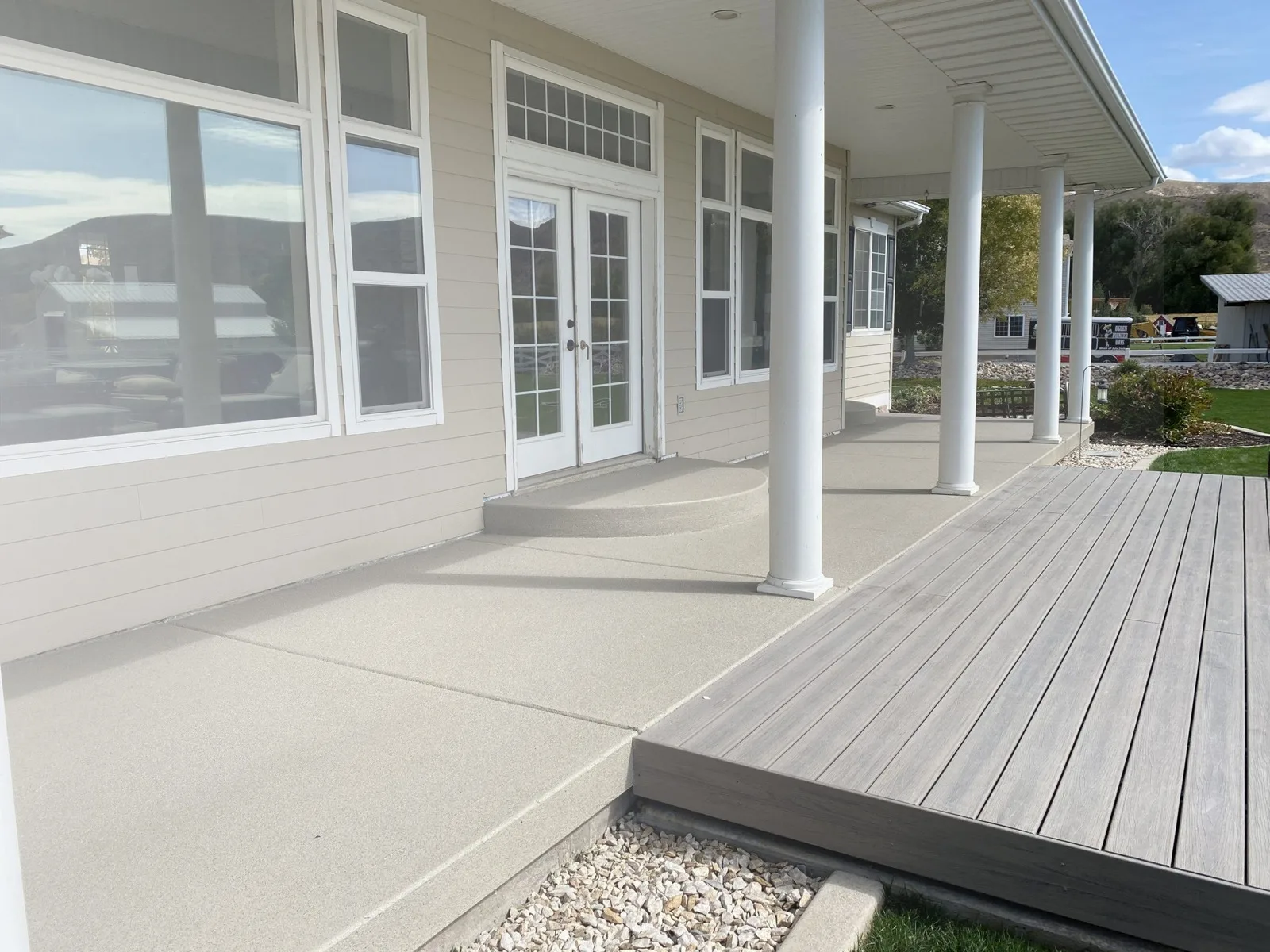
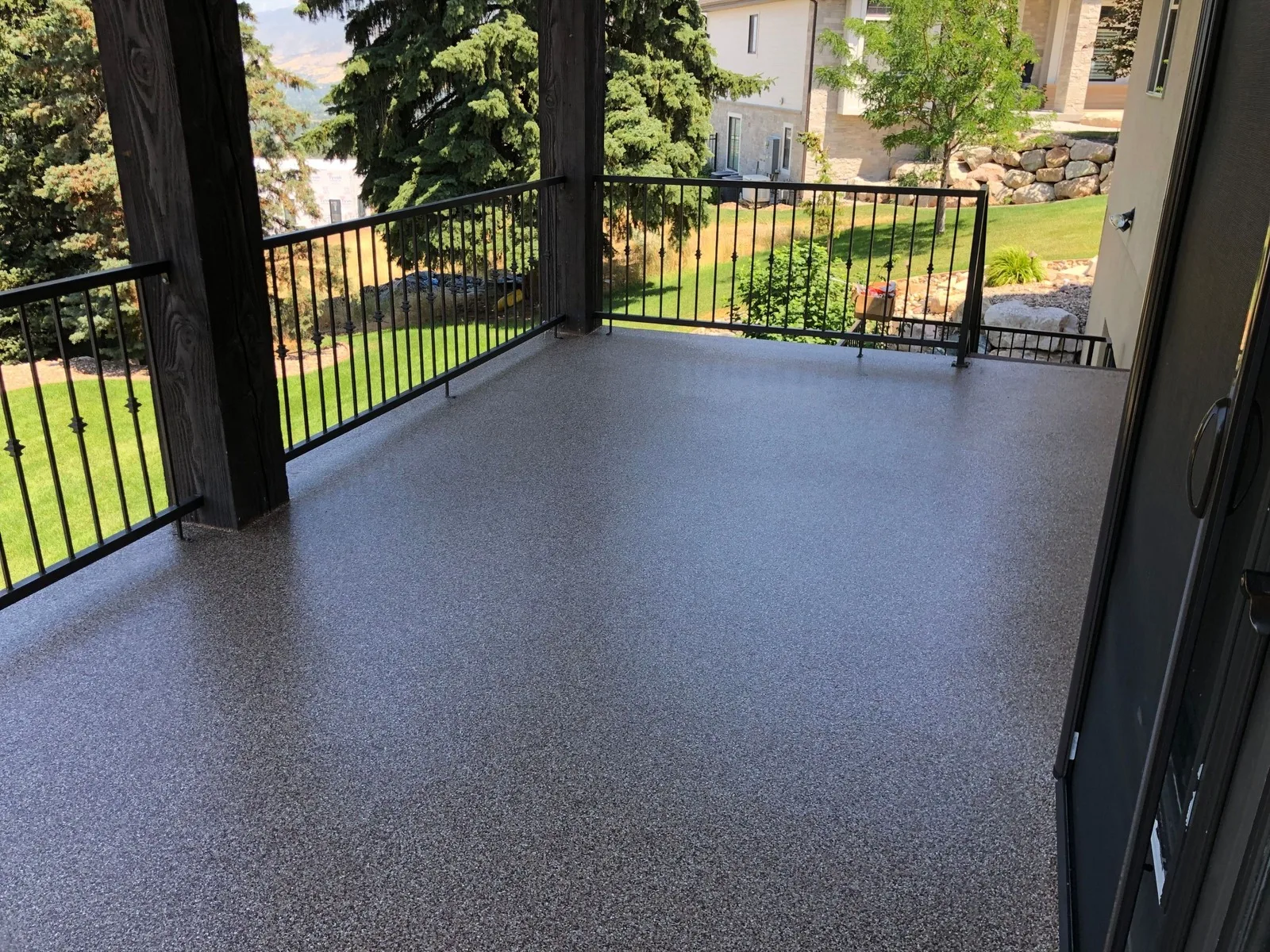
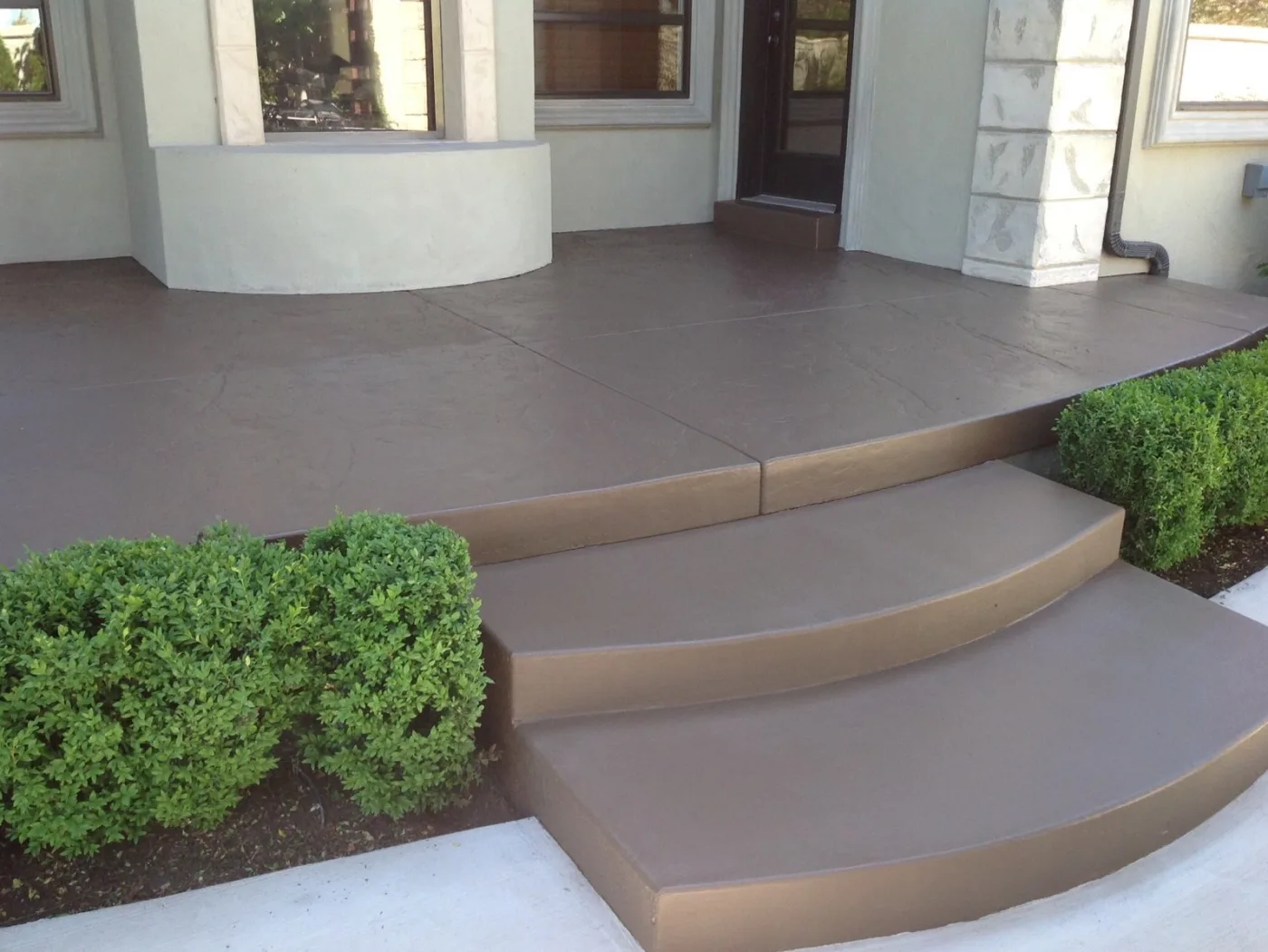
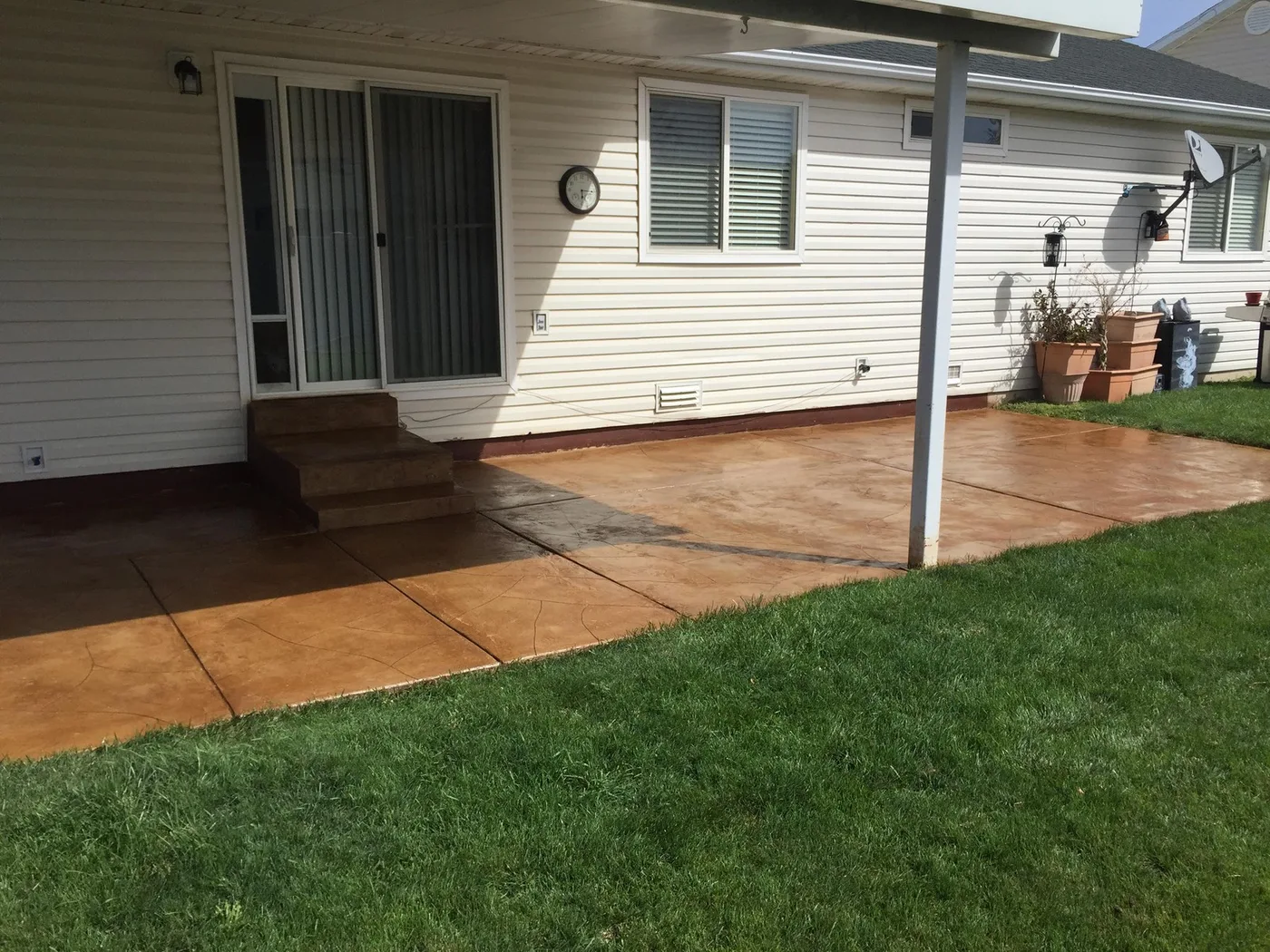
There are two basic families. A penetrating concrete sealer soaks into the slab and works from inside the pores. Silane and siloxane sealers are the common ones. They leave the surface looking close to bare concrete. Because the sealer sits below the surface, it does not peel, and it holds up to road salt. That makes them our usual pick for a driveway, a walkway or an exposed patio. An acrylic film sealer sits on top instead. It wets the color, adds a light sheen and makes stamped or stained concrete pop. Acrylic is the lower cost option and it goes on fast. It also wears where tires turn and needs a fresh coat sooner.
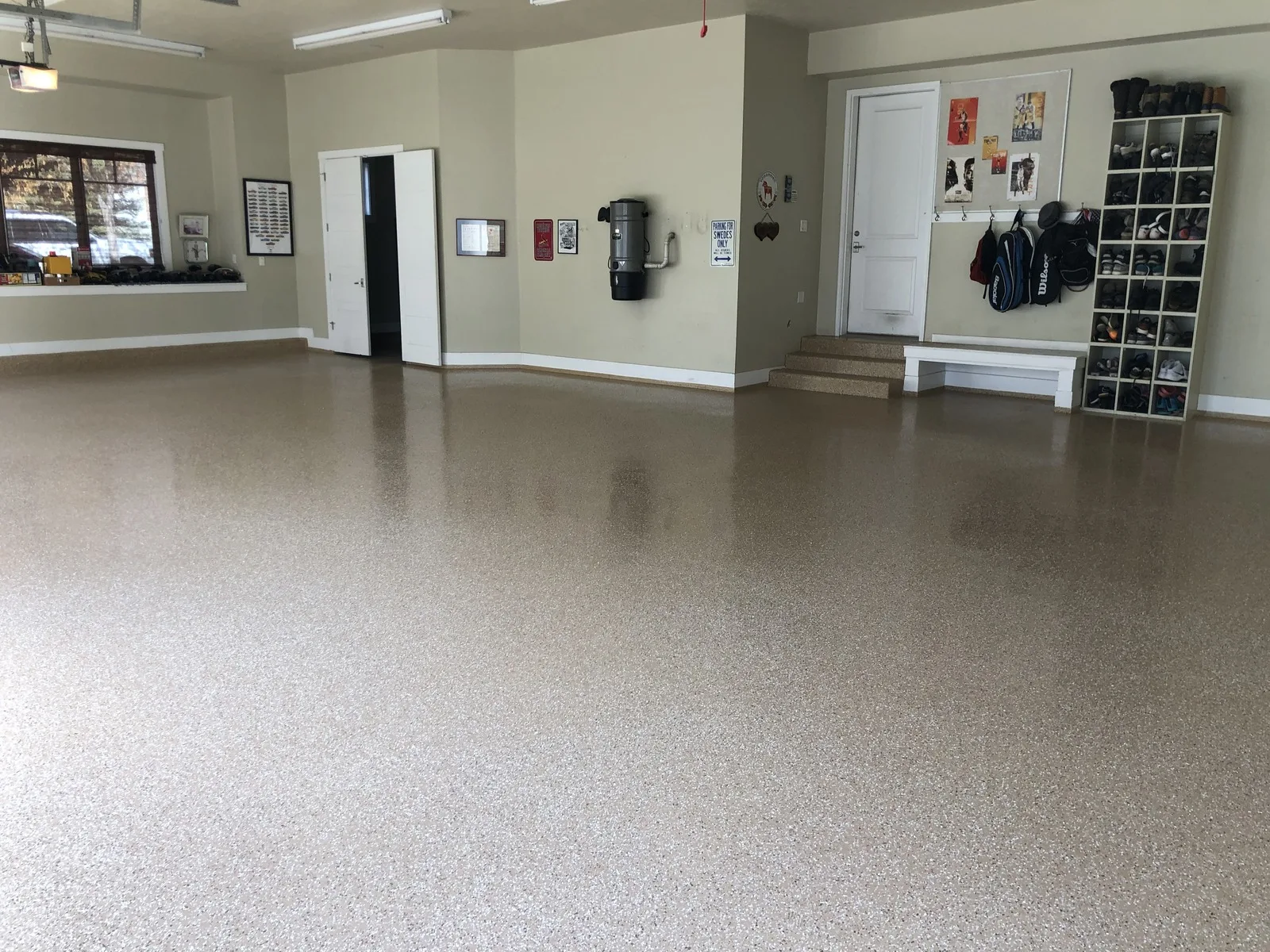
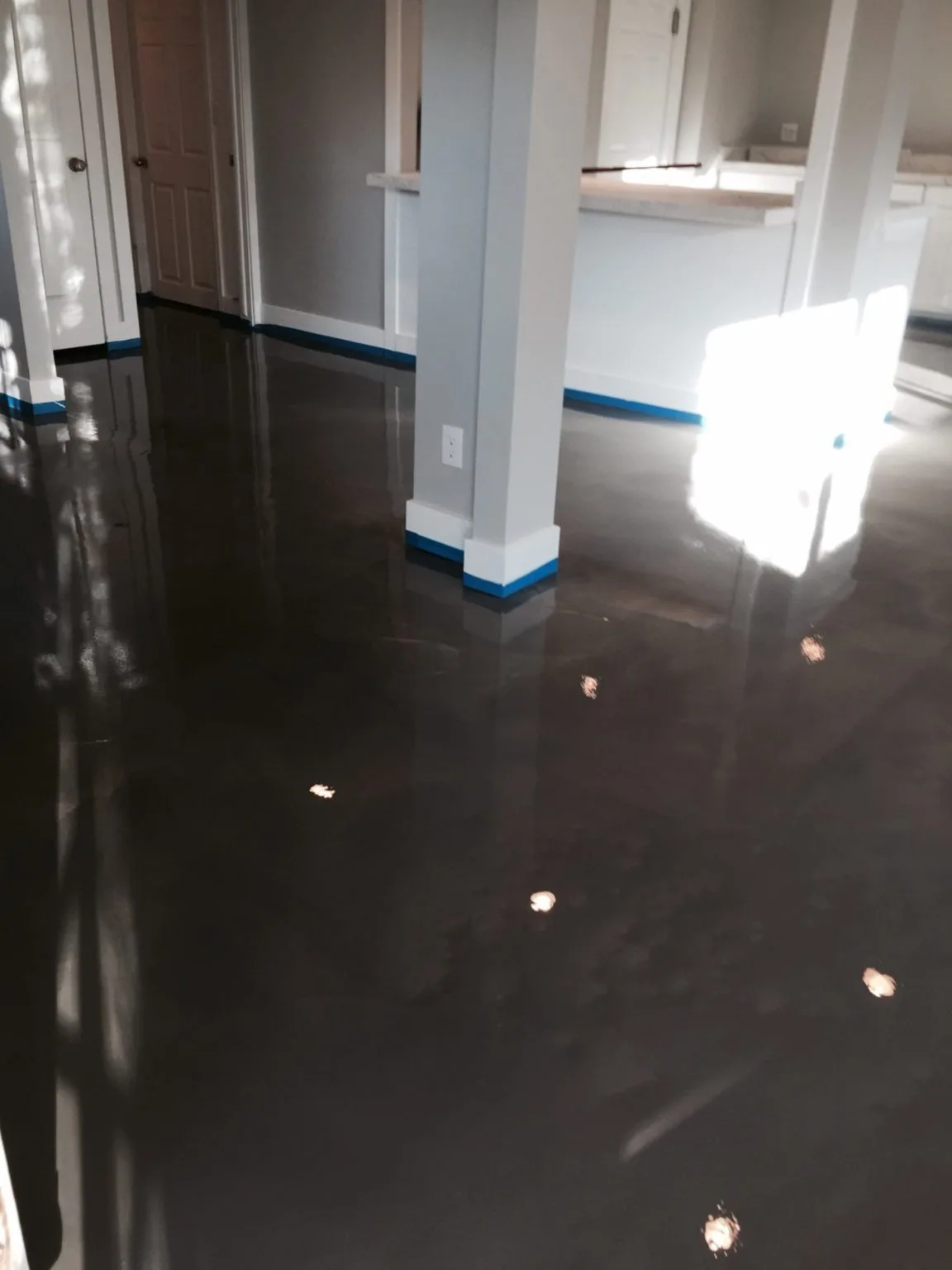
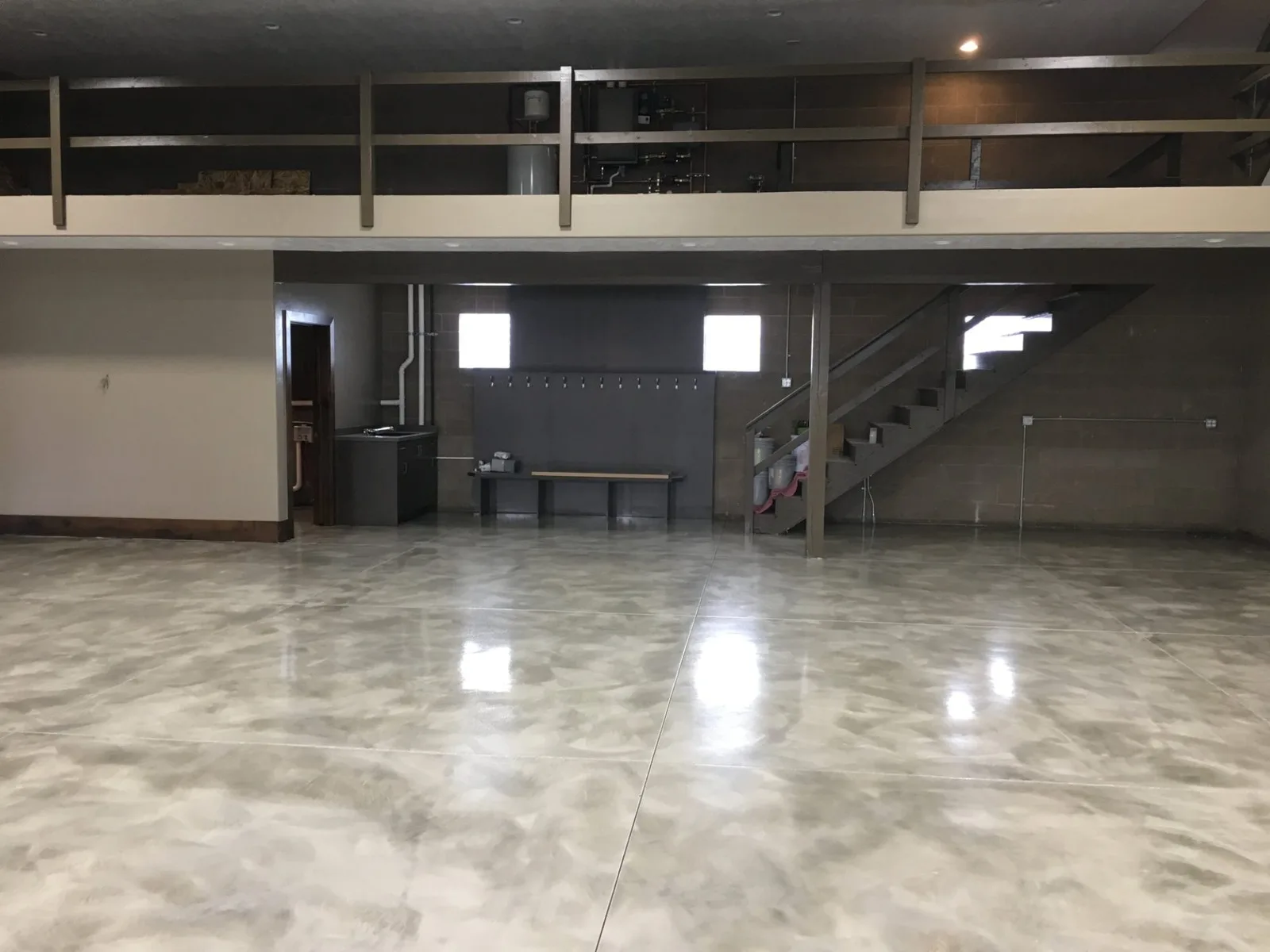
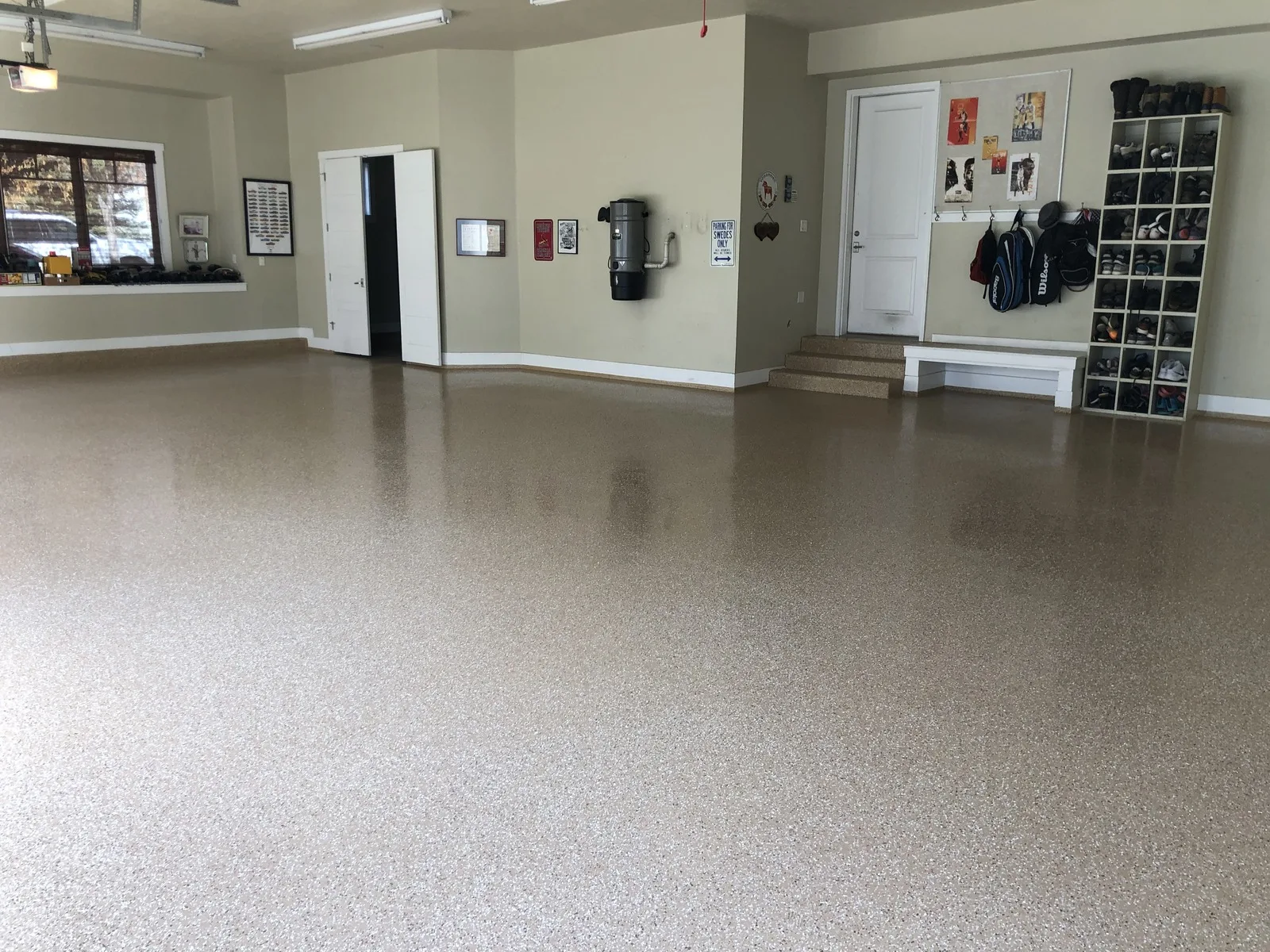
Inside, the choices change. Epoxy sealers mix a resin and a hardener into a hard film that shrugs off oil, chemicals and dropped tools. Urethane sealers go over the top for extra abrasion and UV resistance. Those two suit garage floors, basement floors, shops and laundry rooms. Pavers get their own treatment, since the sealer also locks the joint sand in place. We choose by surface and exposure. Sun, road salt, traffic and the look you want all steer the pick. If you also want color, acid or water based staining can go on first and get sealed in the same visit.
When to seal concrete in Utah (and when to wait)
New concrete needs to cure before it takes a sealer. We wait at least 30 days after the pour. Sealer goes down between 50 and 90 degrees Fahrenheit, so summer is the best window along the Wasatch Front. Spring and early fall work when the nights stay warm enough. The slab also has to be dry. Sealing damp concrete can leave a gray haze or cost you adhesion, and the coat will not hold. We clean the surface first, because dirt and grime mixed into a sealer will show. After the last coat, some sealers take up to 3 days to dry all the way through.
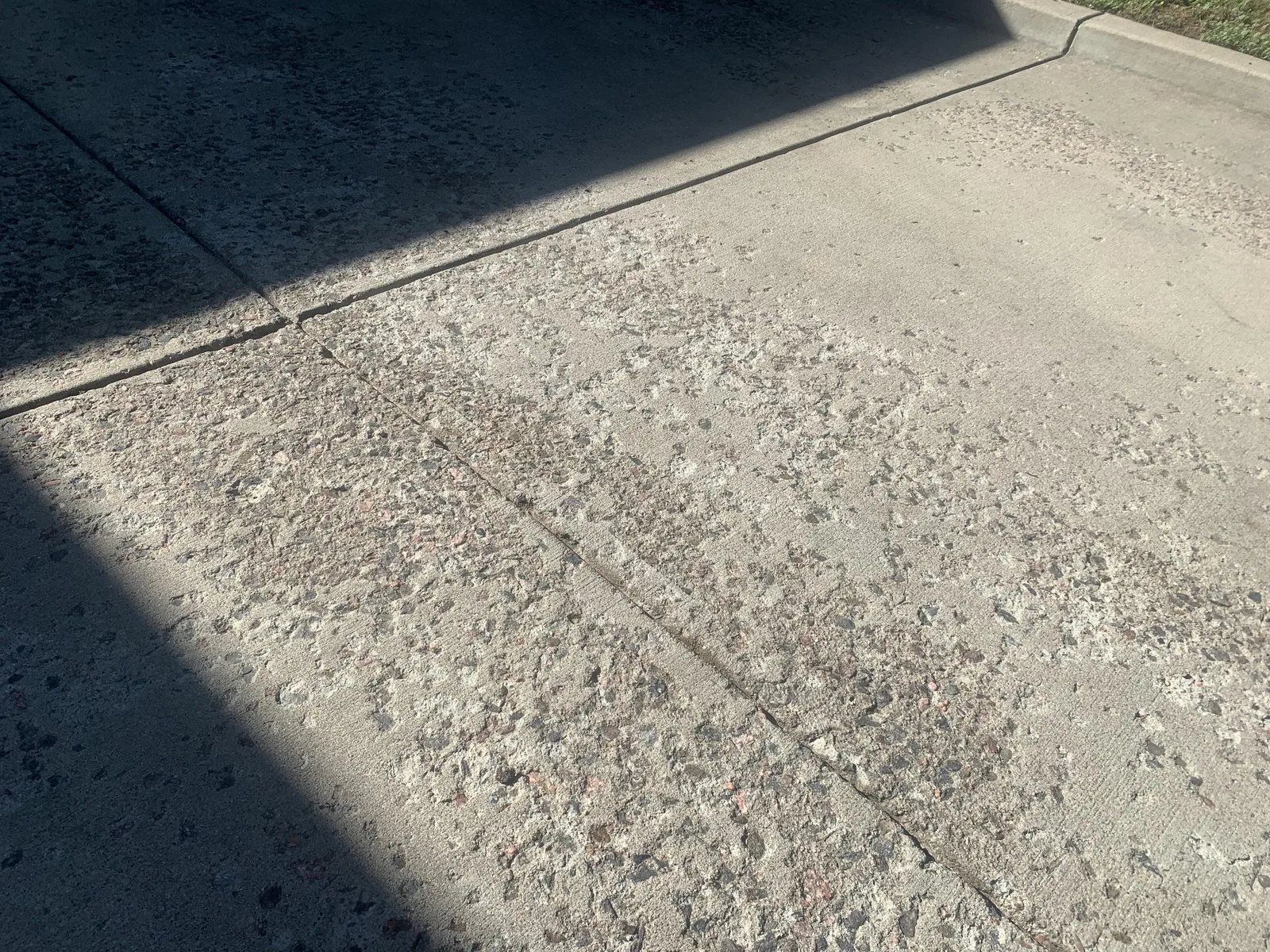
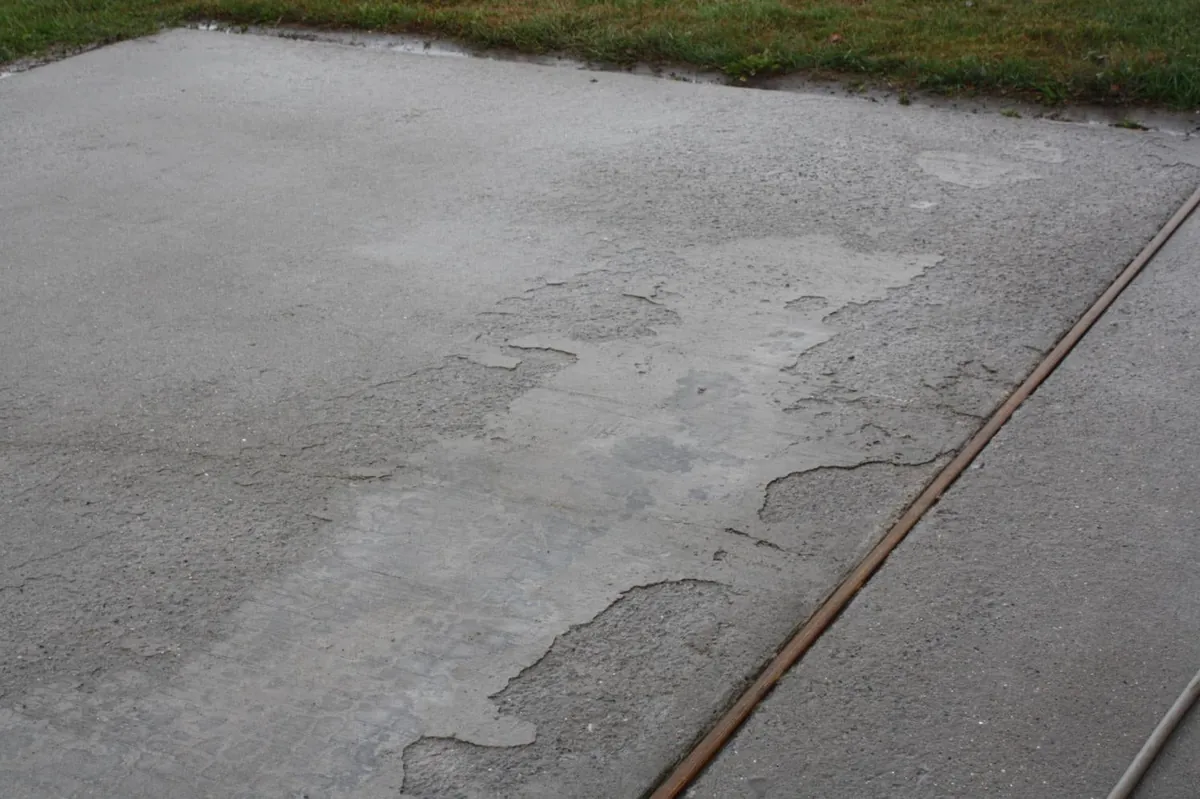
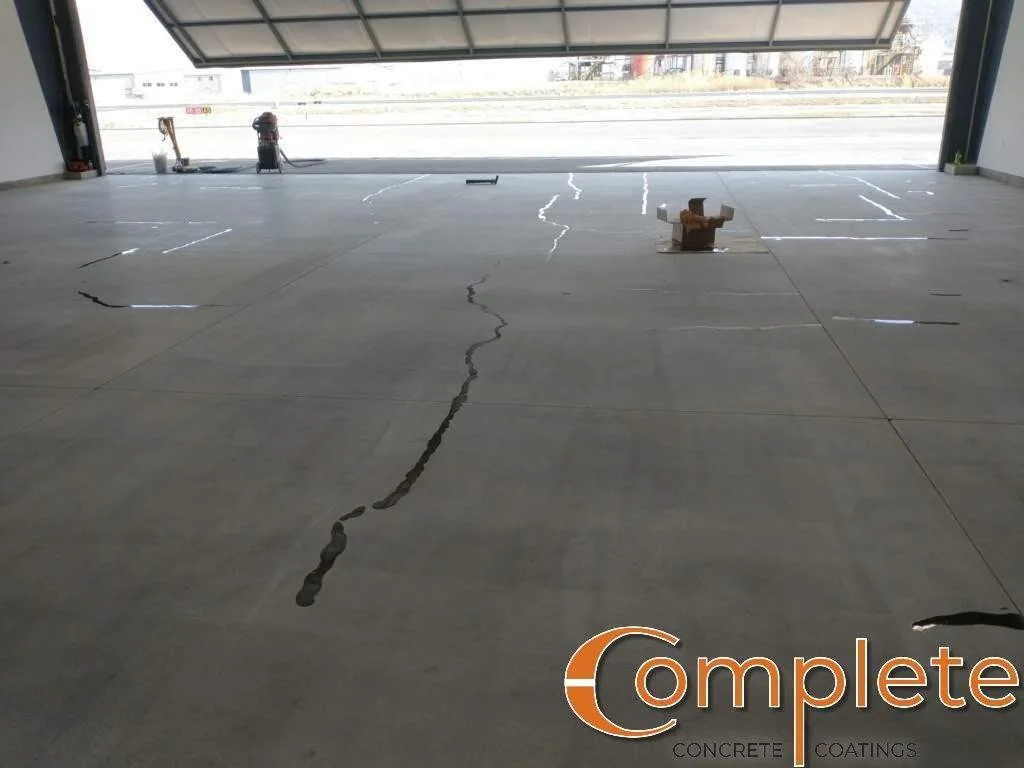
Resealing depends on the product. An acrylic driveway sealer gets a fresh coat every 1 to 3 years. A driveway that sees tires and plows needs it sooner. A penetrating siloxane sealer holds for around 10 years. A sealer protects a sound slab. It slows water absorption, salt scaling, freeze thaw spalling, oil stains and color fading. It will not close a crack or bring back concrete that is already flaking. Damage gets fixed first with crack and spalling repair, then the sealer goes over a solid surface. Betty Meyer wrote: "I had been looking off and on for a company that would clean and seal the concrete floor in my laundry room for several years. I found complete concrete and the job finally got done."
What does concrete sealing cost in Utah?
Price comes down to a few things. Square footage is the big one. A 2 car driveway costs less than a driveway plus a patio and walkways. Condition matters next. A slab that needs cleaning, degreasing, grinding or crack repair takes more labor before any sealer goes on. Sealer type moves the number too. A penetrating siloxane costs more per gallon than an acrylic and lasts far longer. Porous or old concrete drinks more product, so it takes extra coats. Access counts as well, because a back patio behind a gate is slower to work than an open driveway. Stamped and stained surfaces need more careful cut in work around borders.
Every concrete sealing quote starts on site. We come out, look at the slab, measure it and tell you what it needs. The estimate is free, and it covers sealer type, coats, timing and any prep work. If the slab needs repair before sealing, the estimate will say so. We seal driveways, patios, walkways and floors in Centerville, Bountiful, Farmington, Layton and Salt Lake City. Our crews cover the Wasatch Front from Ogden south through Salt Lake County. Call (801) 347-4518 Monday through Friday, 8am to 5pm, and the office will get you on the schedule.