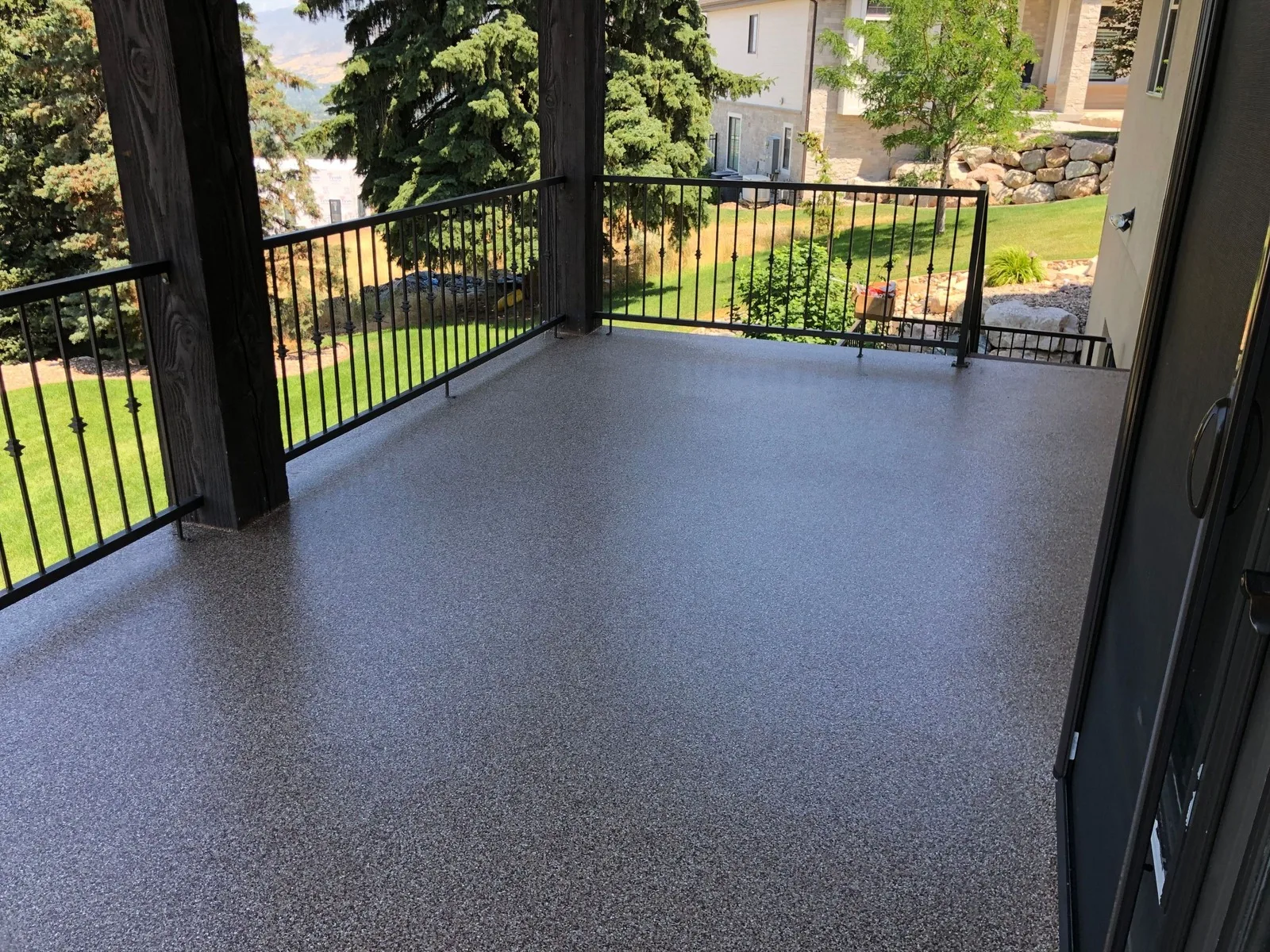
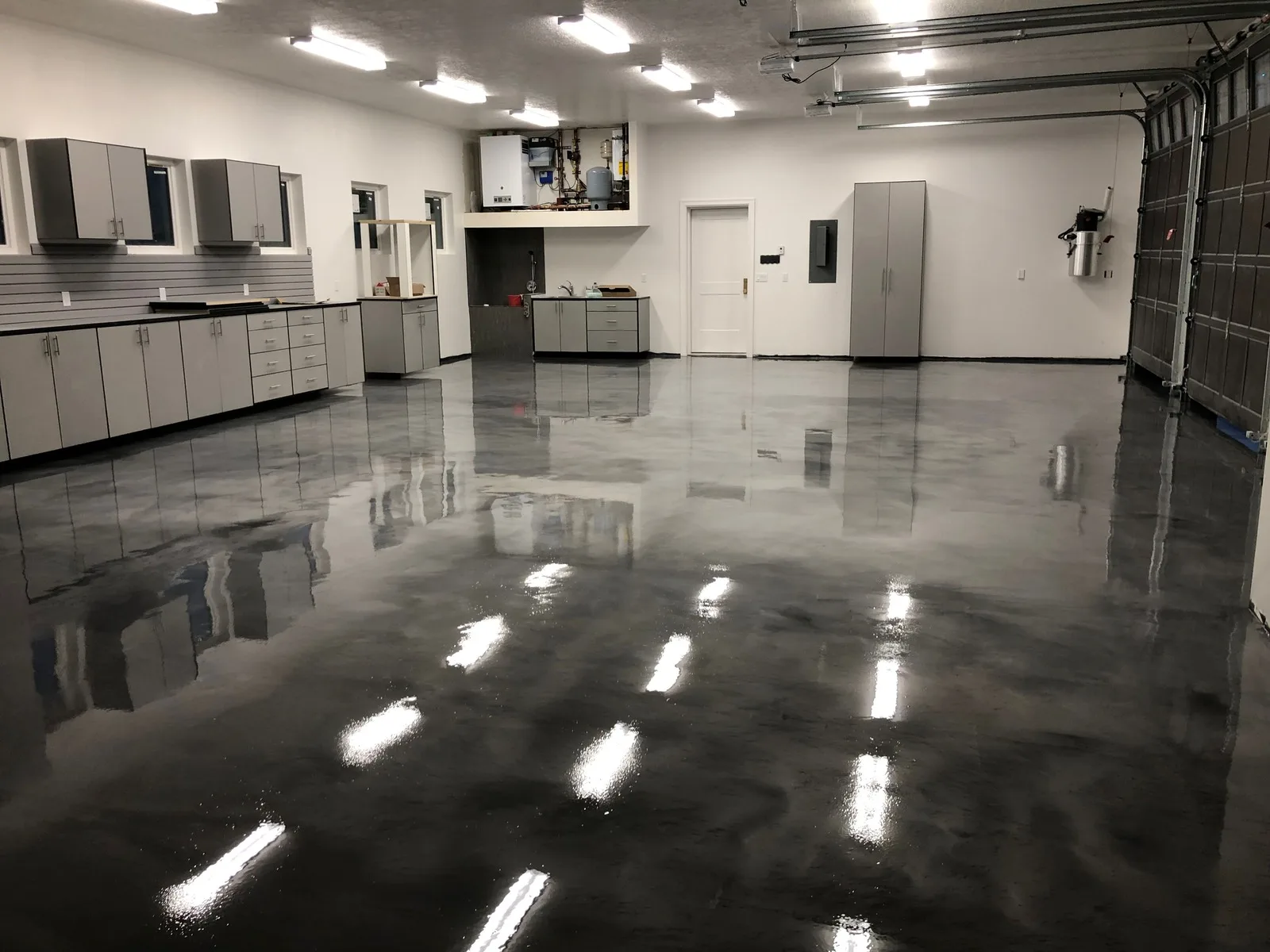
Commercial epoxy flooring systems we install
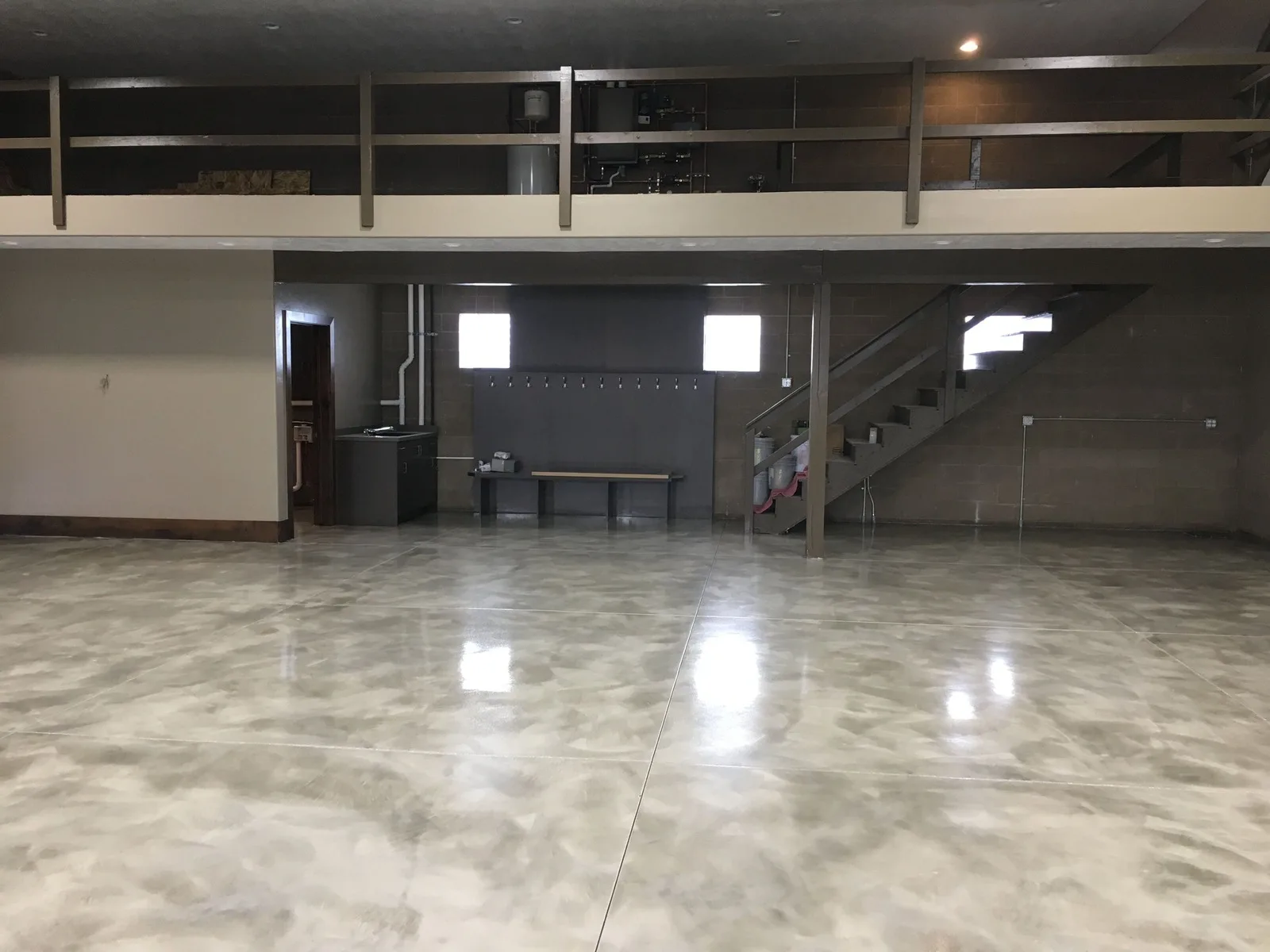
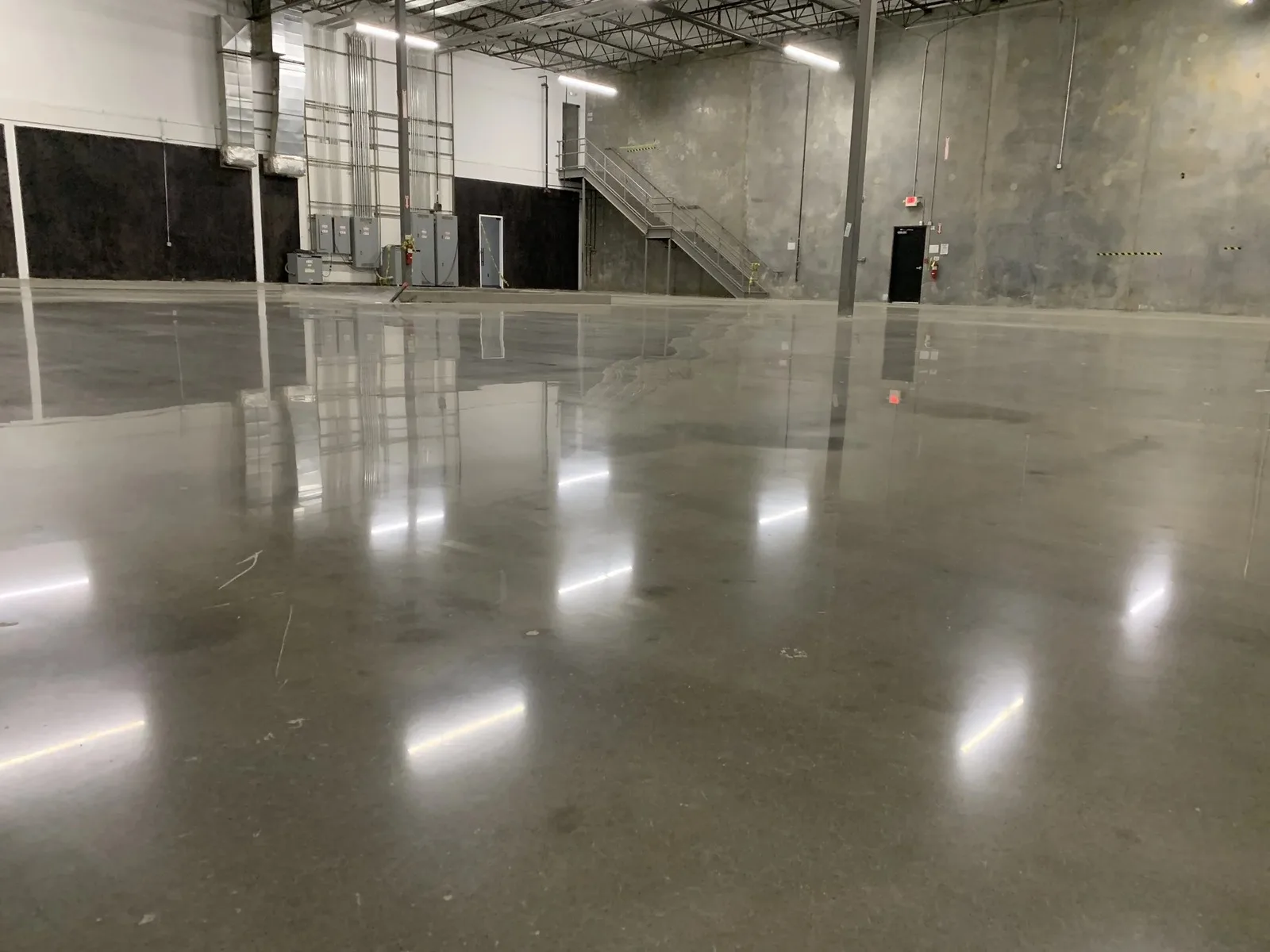
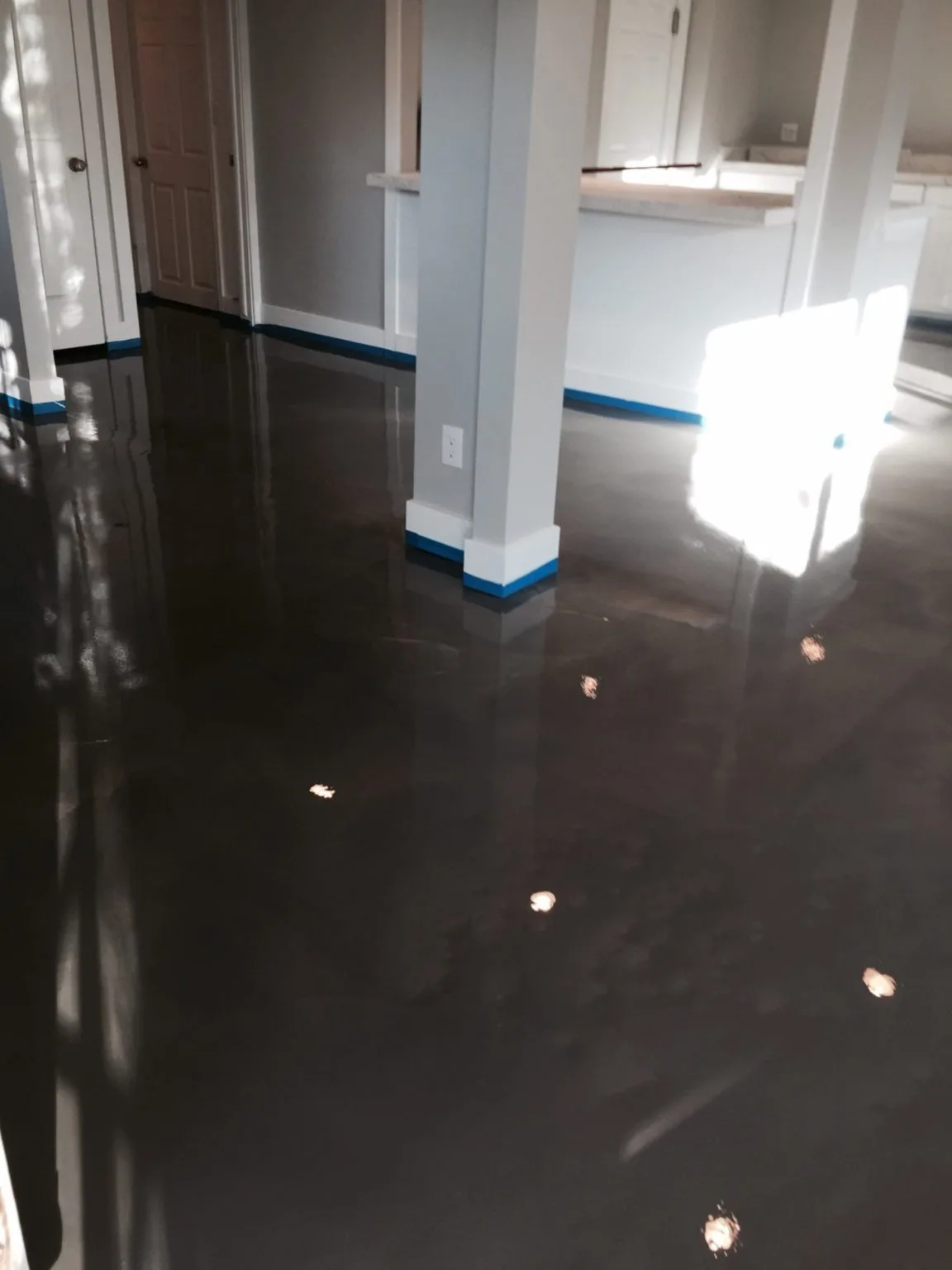
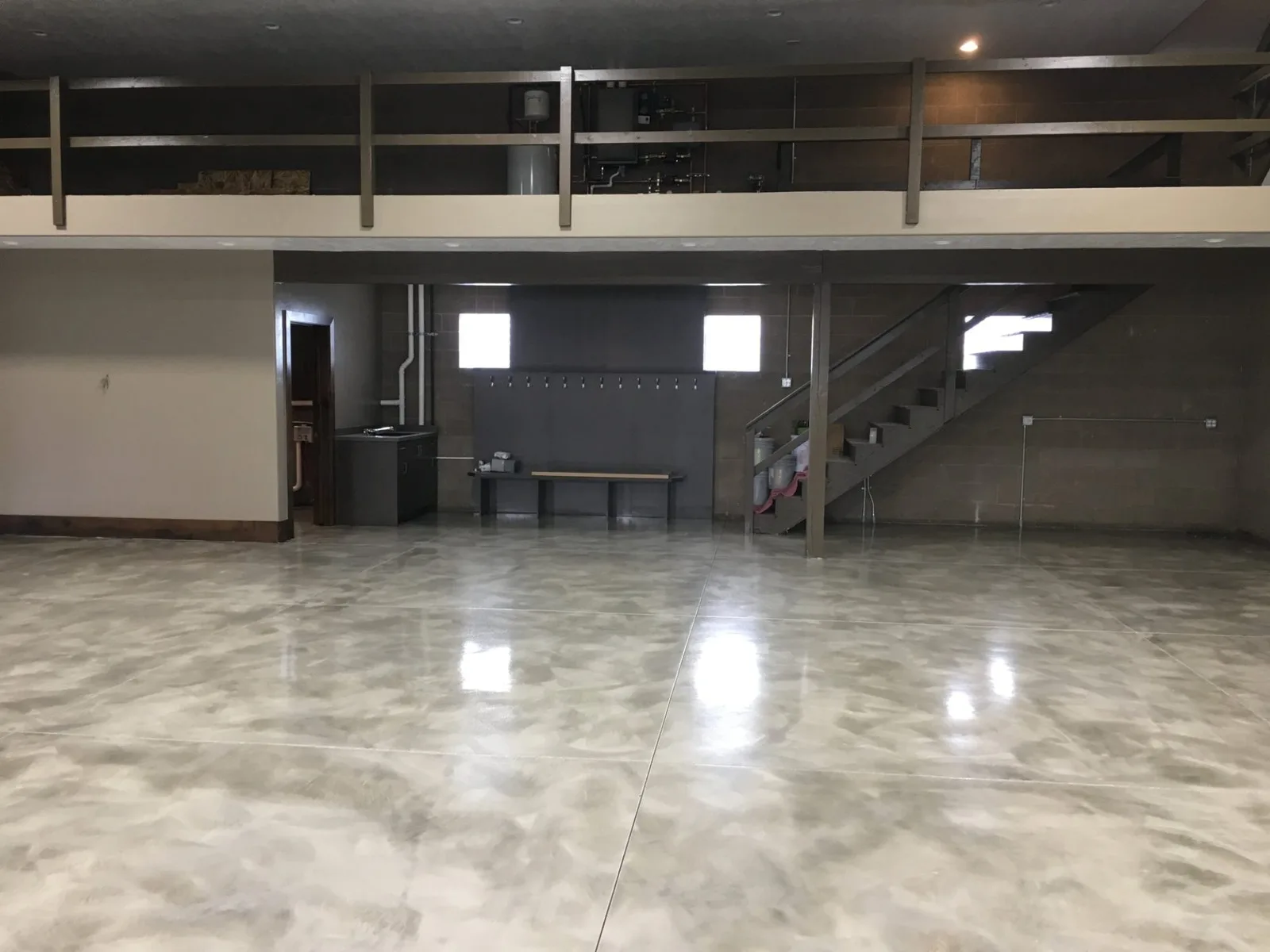
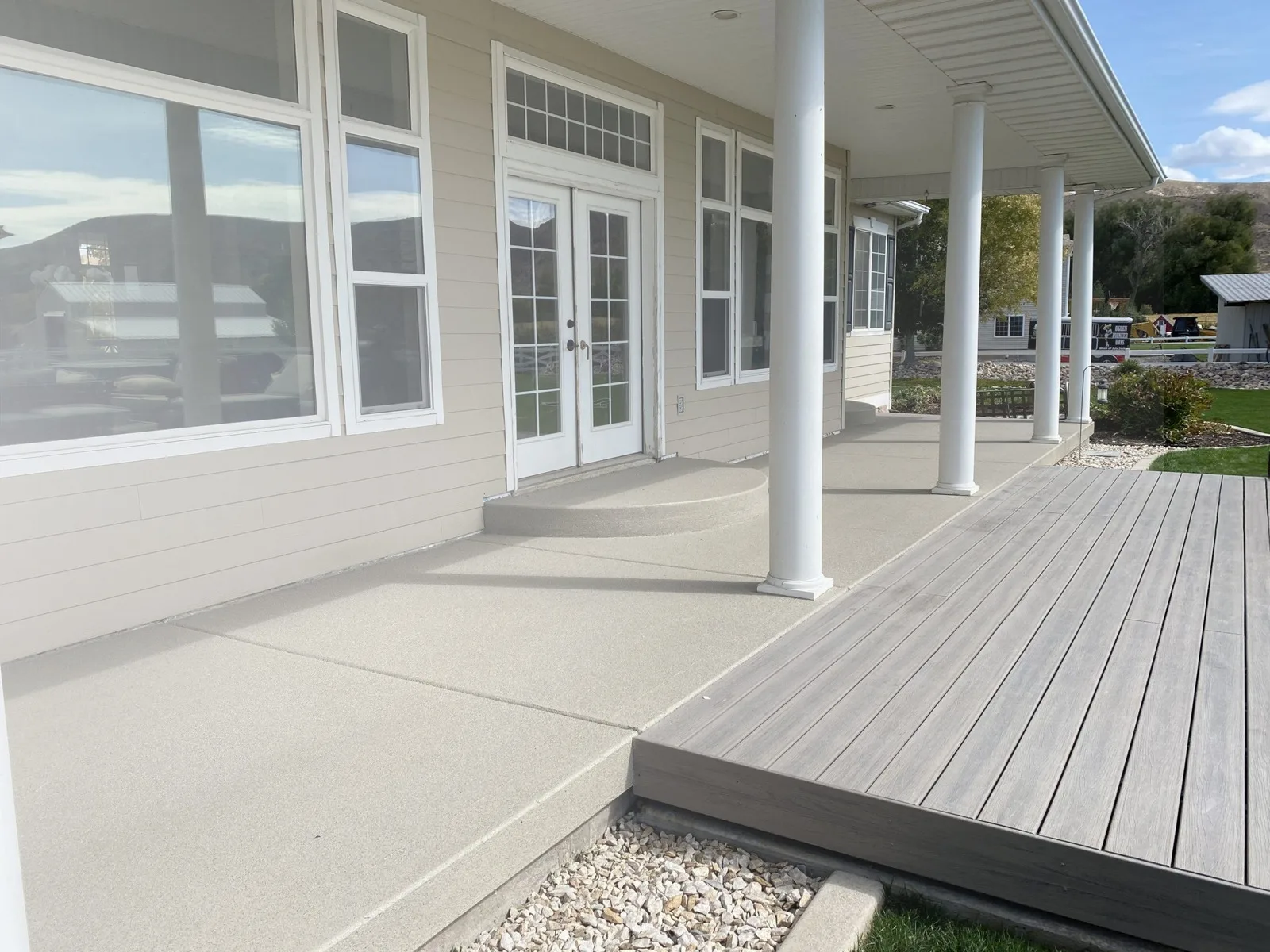
We pick the system from how the floor gets used every day. A warehouse floor coating usually starts with self-leveling epoxy, which flows out flat and leaves a seamless surface. Mortar epoxy is the heavy build, and it holds up under forklifts, pallet jacks and truck tires. Shop floor epoxy in a mechanic bay gets a topcoat that resists oil, brake fluid and hot tires. Showroom floors lean toward gloss and color, since the floor is part of the room. Anti-static epoxy goes in labs, hospitals and electronics rooms where a spark is a problem. Vapor barrier coatings go down first when moisture is pushing up through the slab.
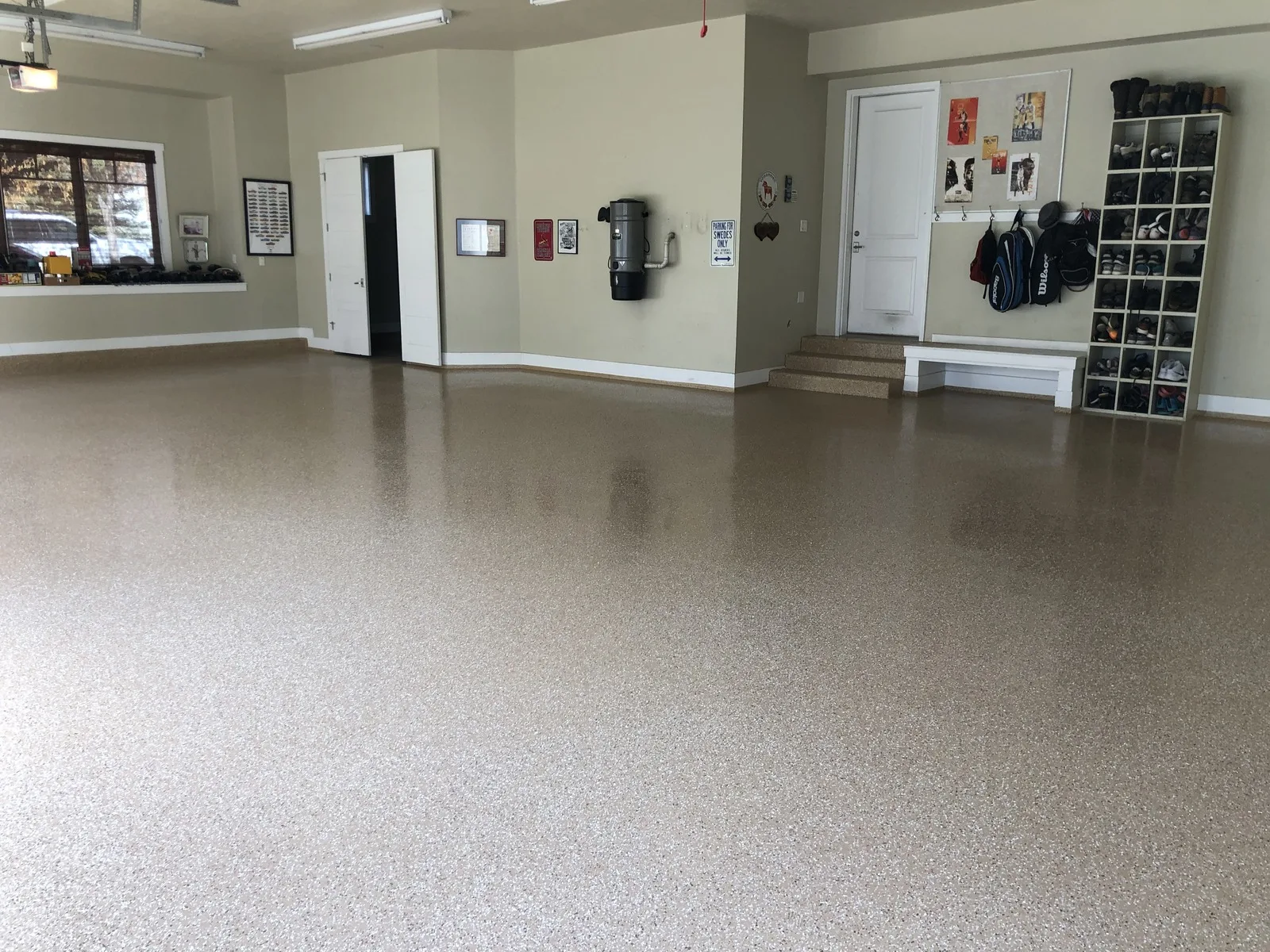
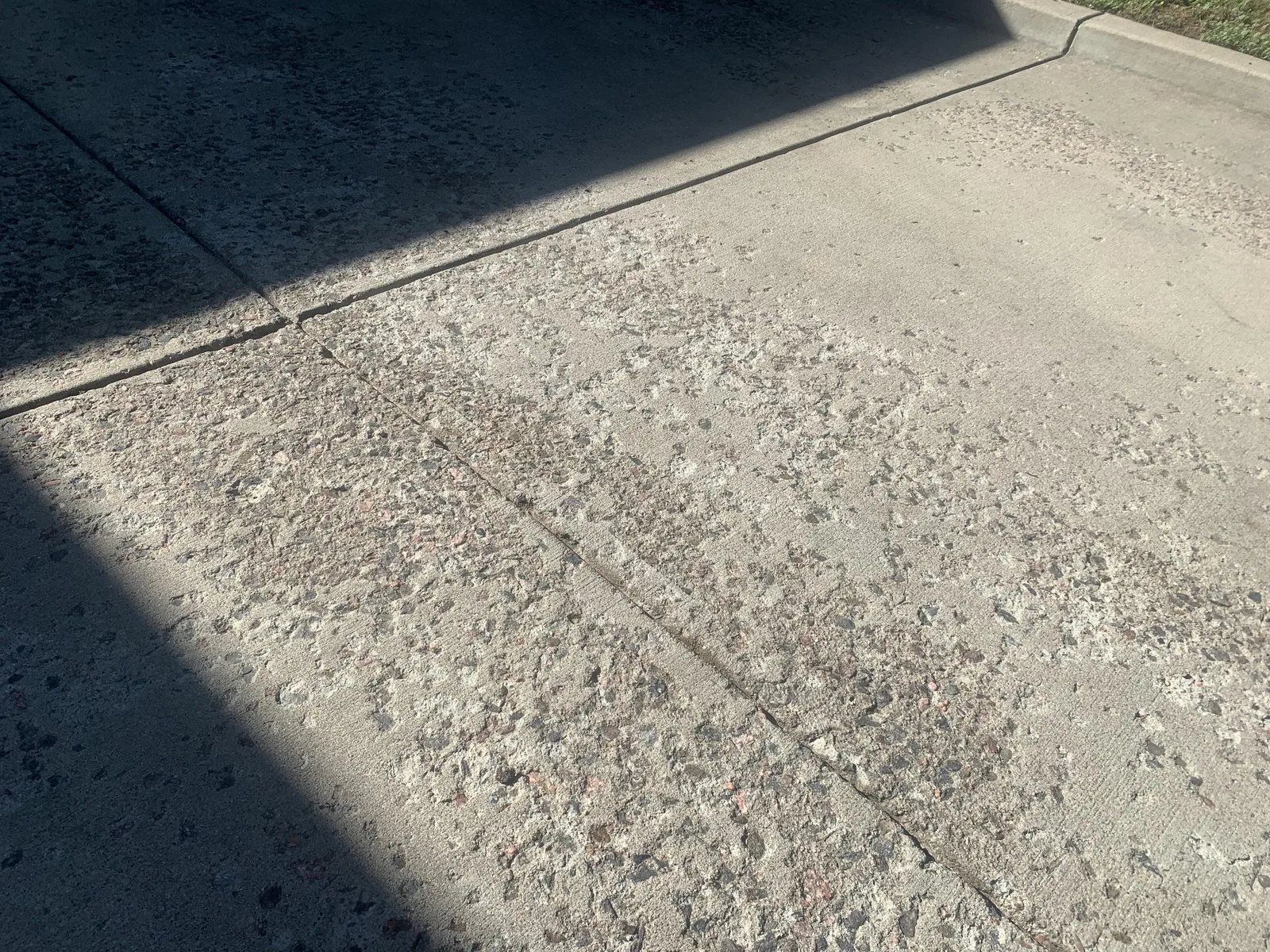
Prep is where a big slab is won or lost. We grind the concrete with diamond tooling to open the surface so the epoxy can bite. We handle concrete repair on cracks, spalls and pop-outs before any coating goes down. Old coatings, mastic and glue come off in the same pass. Flake, quartz or a solid color goes on next, followed by a clear topcoat. Polyaspartic and polyurea topcoats cure fast, which shortens the shutdown. On a large floor we work in sections, so part of the building keeps running while the rest cures.
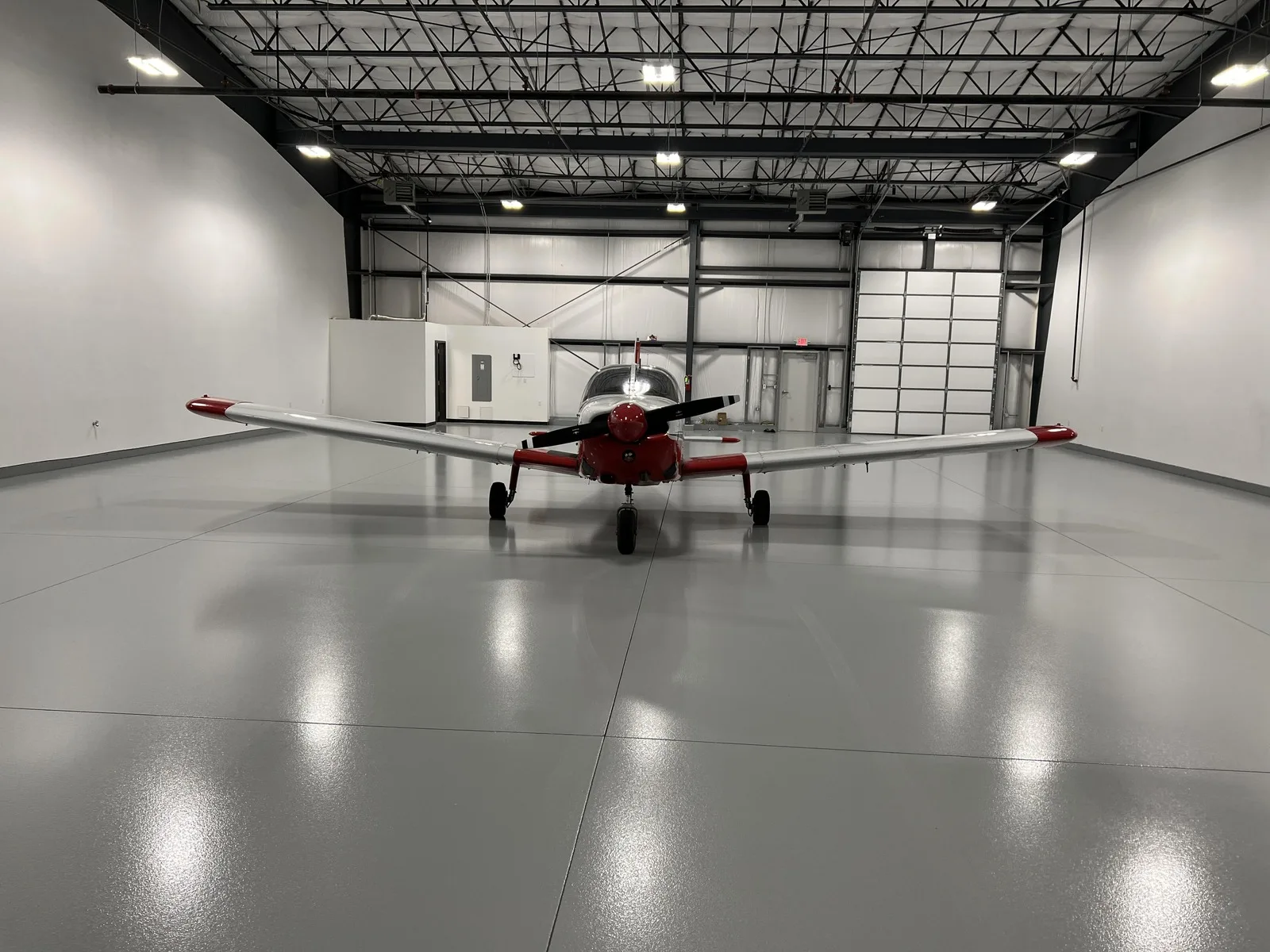
Airplane hangar epoxy floors that handle fuel, tugs and tire loads
Airplane hangar epoxy floors take a beating that most shop floors never see. Aircraft, tugs and tow bars roll the same lanes every week, and point loads sit under the wheels. Fuel, engine oil, fire-resistant hydraulic fluid, grease and cleaning solvents all end up on the concrete. Bare concrete drinks that in and stains dark, and the surface starts to dust and pit. An industrial epoxy build seals the slab, so spills wipe up instead of soaking in. A properly ground and coated floor holds up to hot tires from a towed aircraft. Chemical resistance matters more here than color.
Light is the other reason hangars get coated. A light color with a gloss topcoat bounces overhead light down under the wings and tail. Mechanics can see what they are doing without dragging in extra lamps. Dropped hardware, leaks and foreign object debris show up against a bright floor. If your hangar needs boundary lines or tow guides, we can add striping in the color you pick. Talk to us about the layout before we start, since the lines go in as part of the build. Hangars are big open slabs, so we plan the coat order and cure windows around your aircraft moves.
What does commercial epoxy flooring cost in Utah?
Price on a commercial floor comes down to 4 things. Square footage moves the number most, and bigger floors usually cost less per square foot. Slab condition is next, since deep cracks, old glue or a failed coating add grinding and repair. The system matters too, because mortar epoxy, anti-static and vapor barrier builds cost more than plain self-leveling epoxy. Downtime is the last driver. Phased night or weekend work costs more than an empty building we can coat in one stretch. We put all 4 drivers in the written estimate, so you can see what is behind the number.
Every bid starts with a free estimate. We come out, measure the floor, check for moisture and look at what the slab has been through. Then you get a written number for the system that fits the building. Commercial work runs from Ogden south through Salt Lake County. Layton, Bountiful and Sandy are normal trips from our Centerville shop. Buildings past that stretch are still worth a call. We coat plenty of floors in Salt Lake City as well. Call (801) 347-4518 Monday through Friday, 8am to 5pm, and the office will get you on the schedule.