Why concrete cracks and spalls along the Wasatch Front
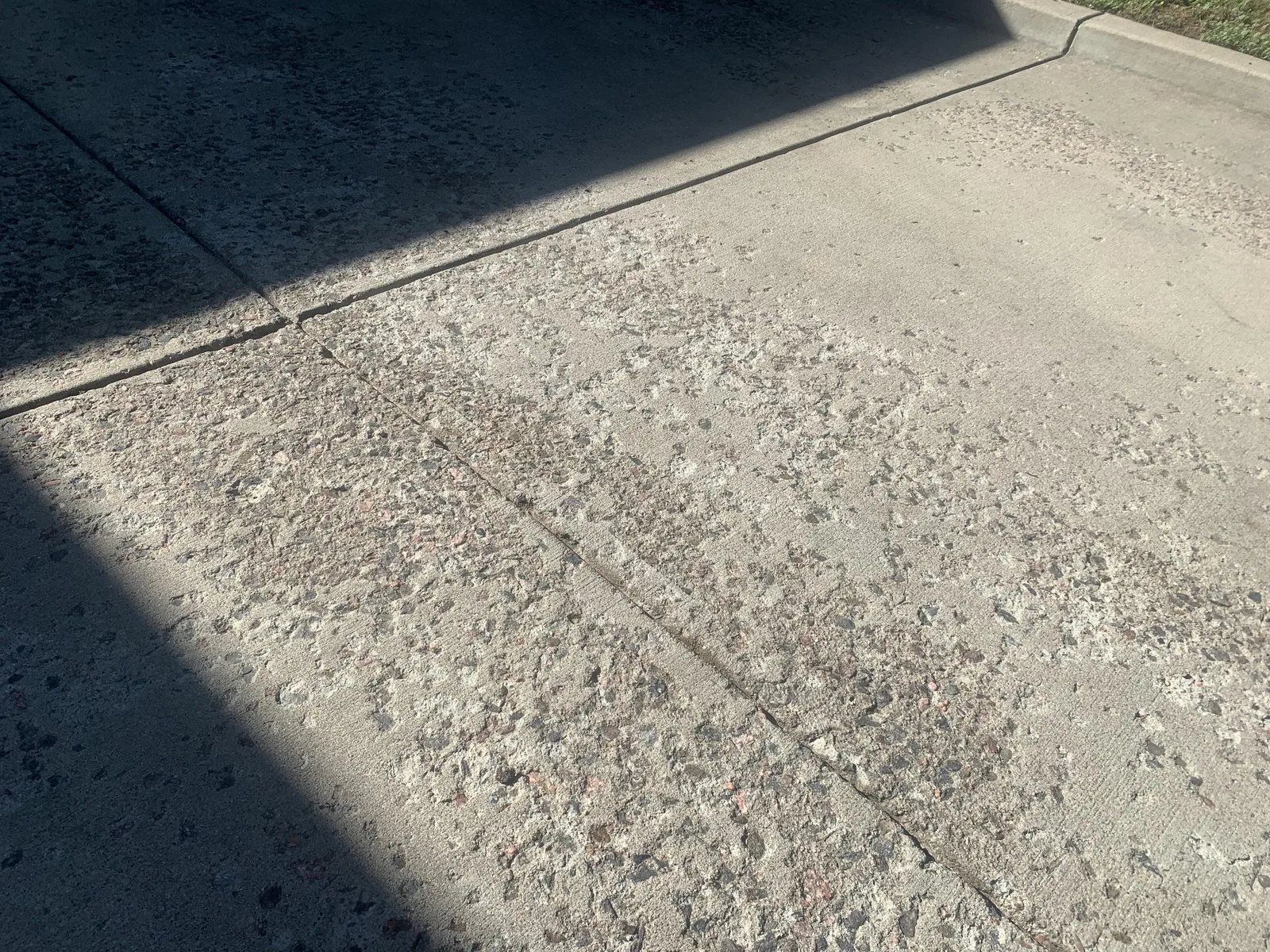
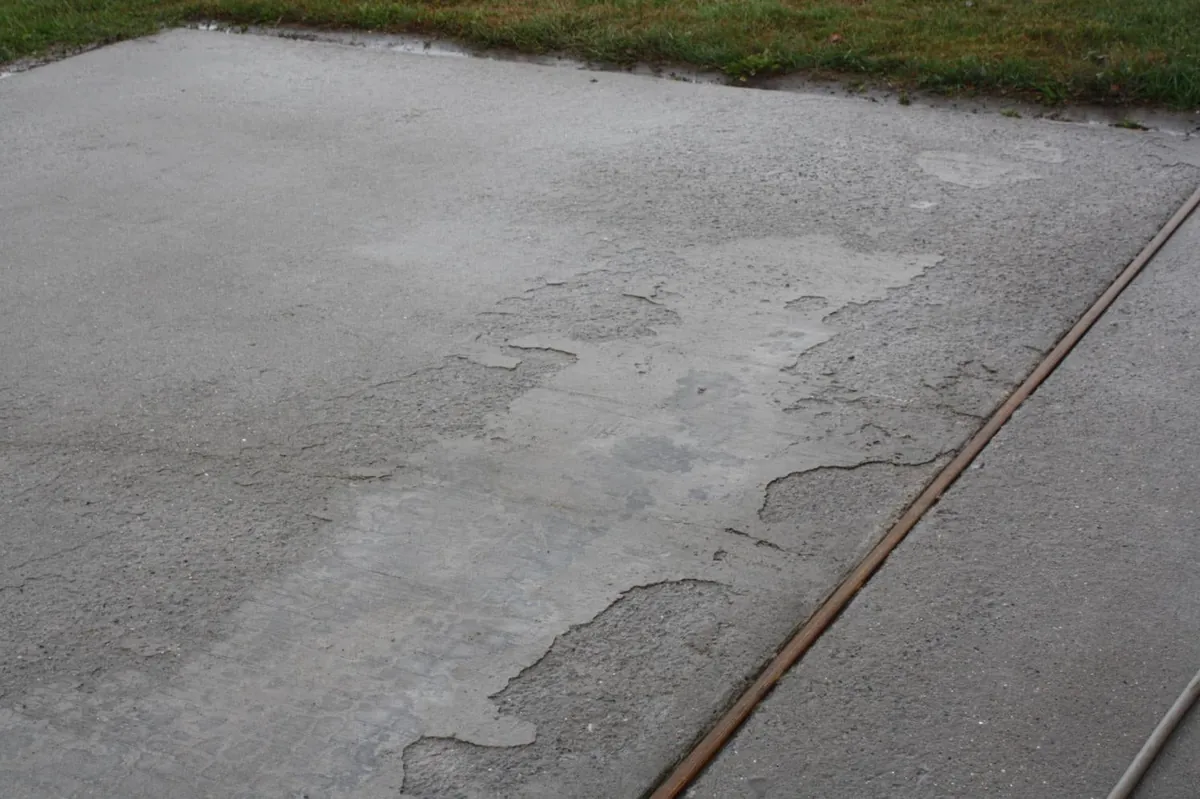
Concrete is porous. It drinks water like a sponge, and along the Wasatch Front that water freezes most winter nights. It thaws again by afternoon. Frozen water expands about 9 percent, so every cycle pries the surface apart from the inside. Run that a few hundred times and the top layer breaks off in flakes. That is spalling. Road salt and de-icers make it worse. Salt pulls extra moisture into the surface and drives more freeze cycles each winter. Cars track it home from the highway and drop it on driveways and garage floors. Pitting, those clusters of small holes, comes from the same wear.
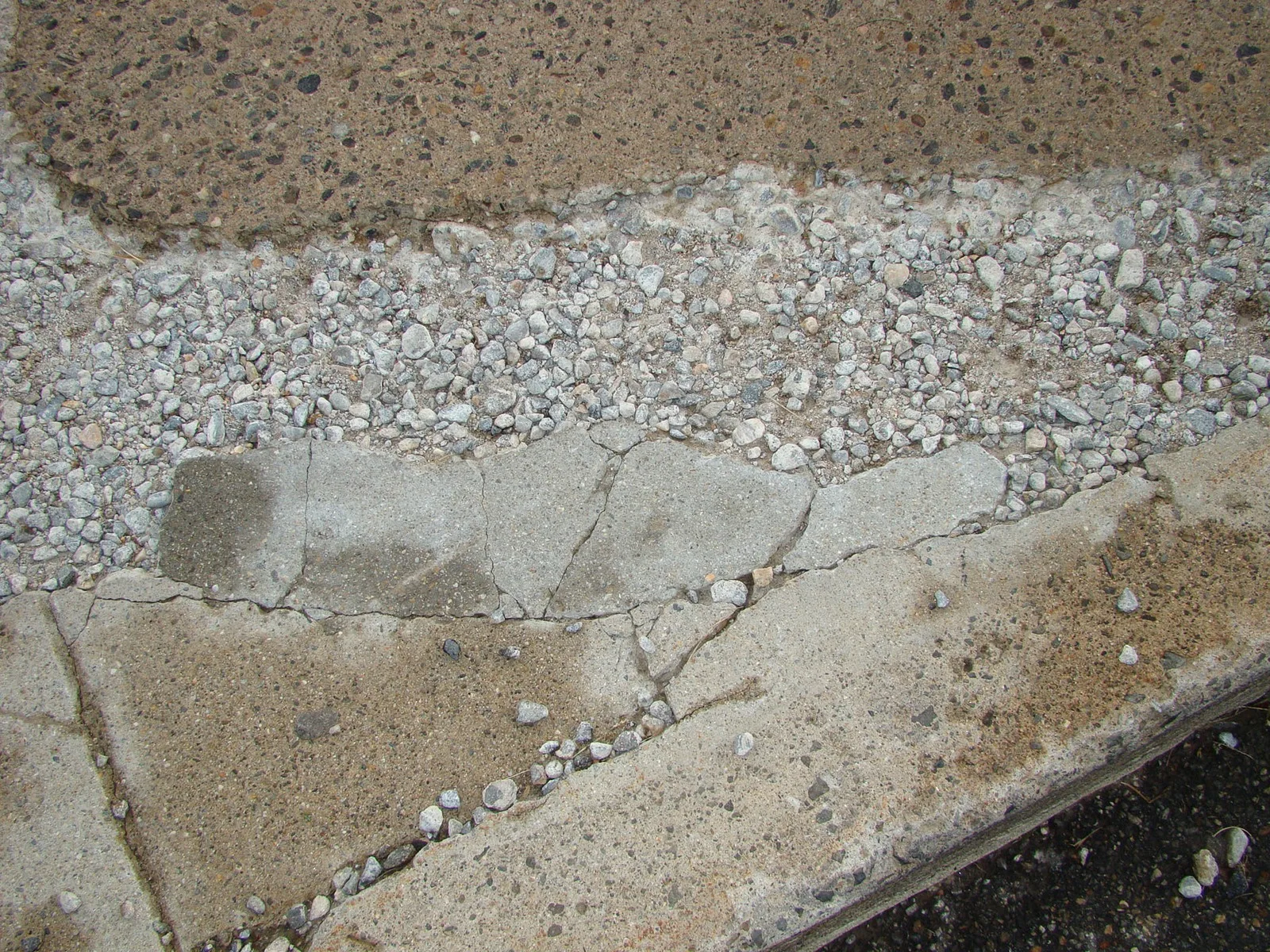
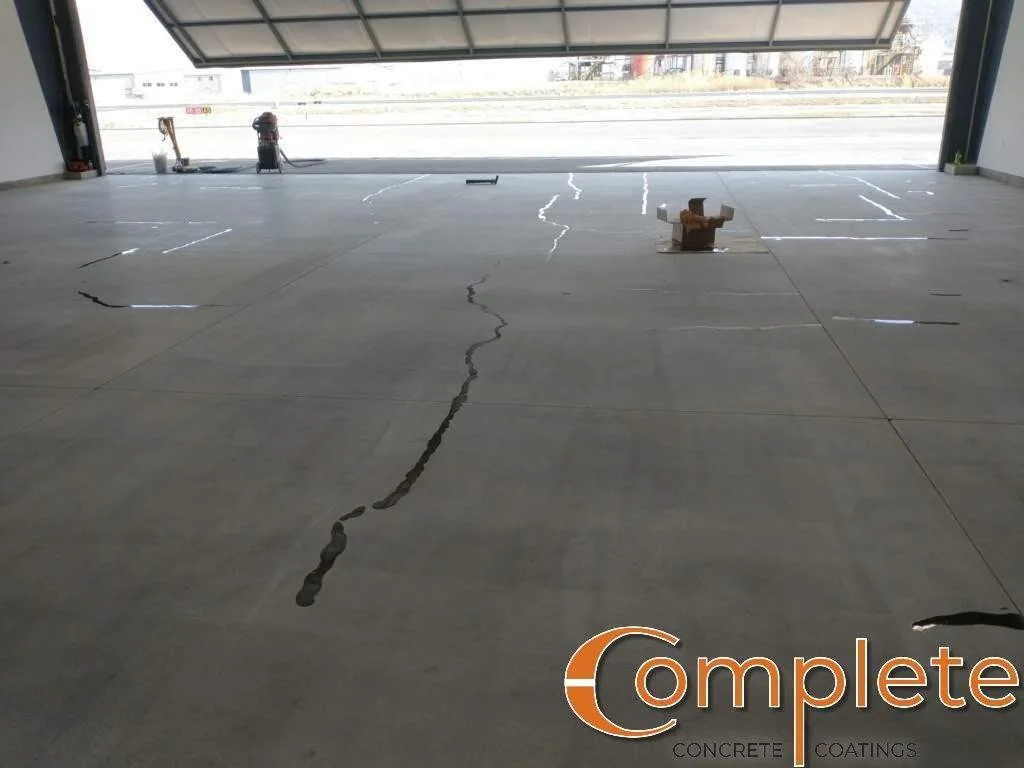
Cracks start for a few reasons. Concrete shrinks as it cures, so most slabs crack somewhere in the first year. Heavy loads, tree roots and shifting soil open those cracks wider. Once a crack is open, water gets in, freezes and pries the edges apart. Bad finishing shows up later. If a crew overworked the surface, or added water to the mix, the top layer ends up weak. It flakes off early. A slab that is sinking, heaving or split into separate levels is a different problem. That one is soil and structure, and it needs a lifting or foundation contractor before any surface work makes sense.
Concrete repair methods, and how we protect the fix
Every repair starts with the cause, because the fix depends on it. We open cracks with a diamond blade or a crack chaser, vacuum the dust out, then fill them. Cracks that still move get a flexible filler that can stretch with the slab. Static cracks get a rigid polyurea or epoxy filler that cures harder than the concrete around it. Spalled and broken areas get cut back to sound concrete. We patch them with polymer-modified mortar, which bonds to the old slab. Pits and pop-outs are filled and troweled flat. Then a diamond grinder levels high spots and strips failed coatings. That gives a coated garage floor a flat, clean surface to bond to.
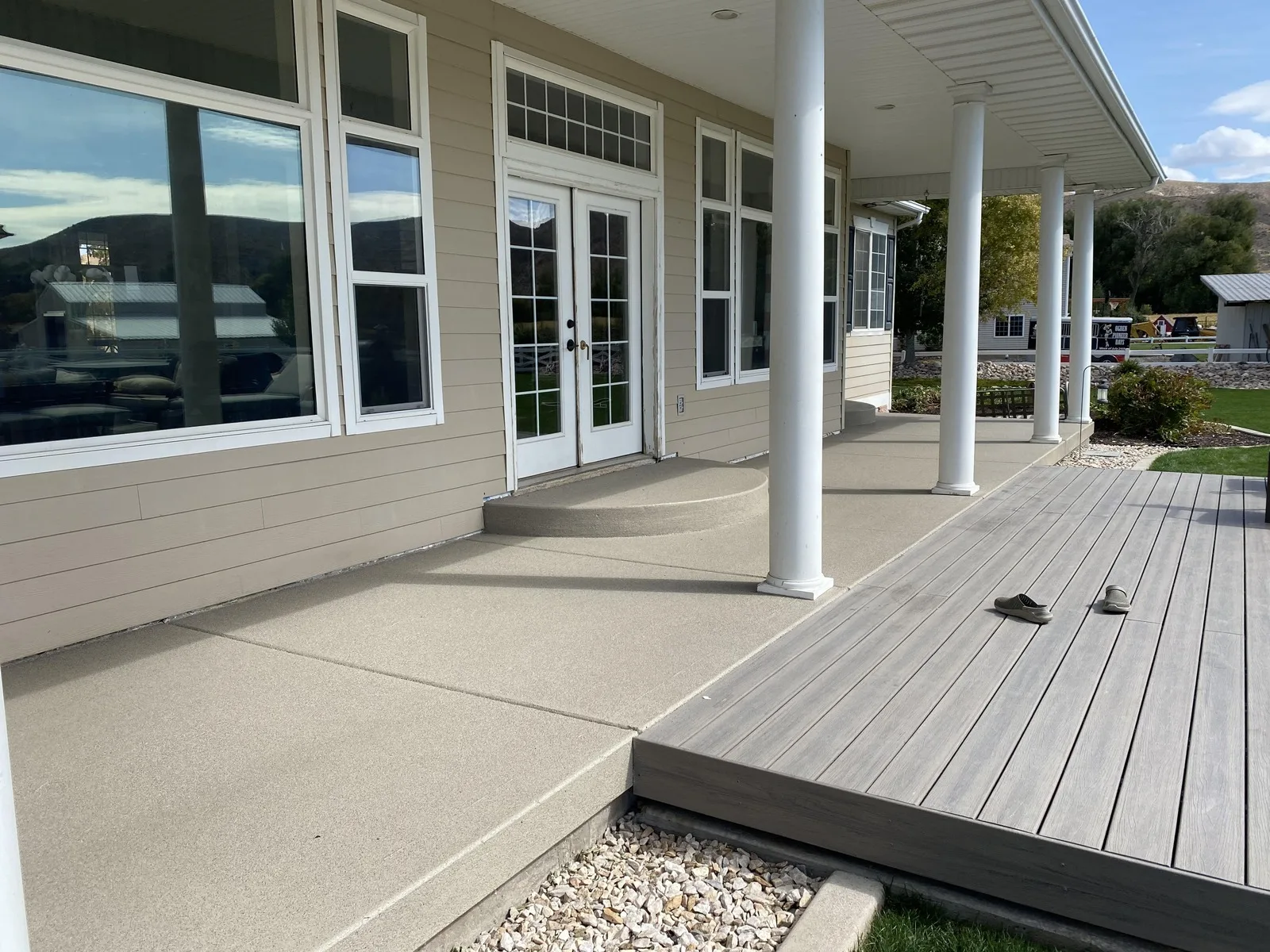
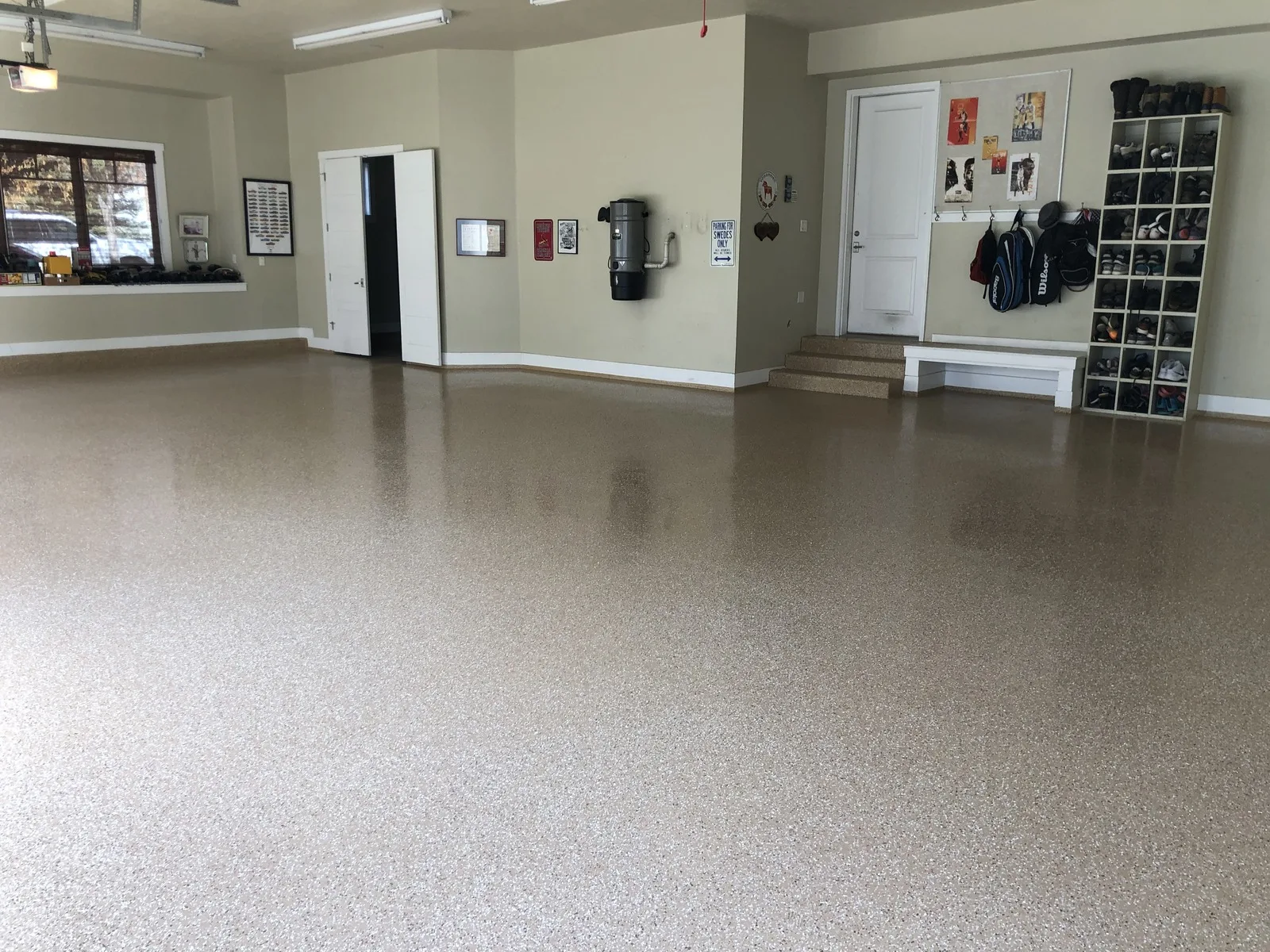
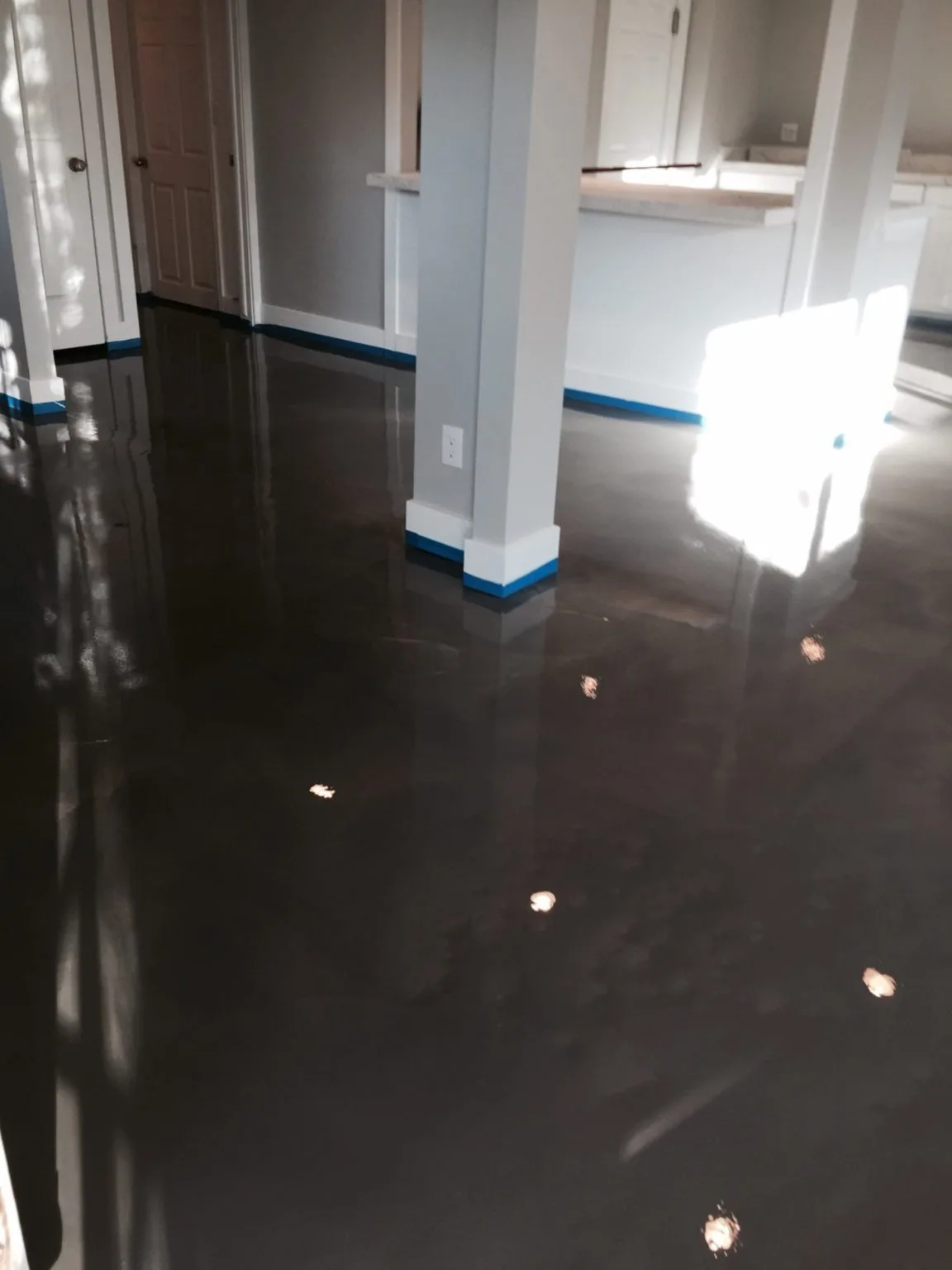
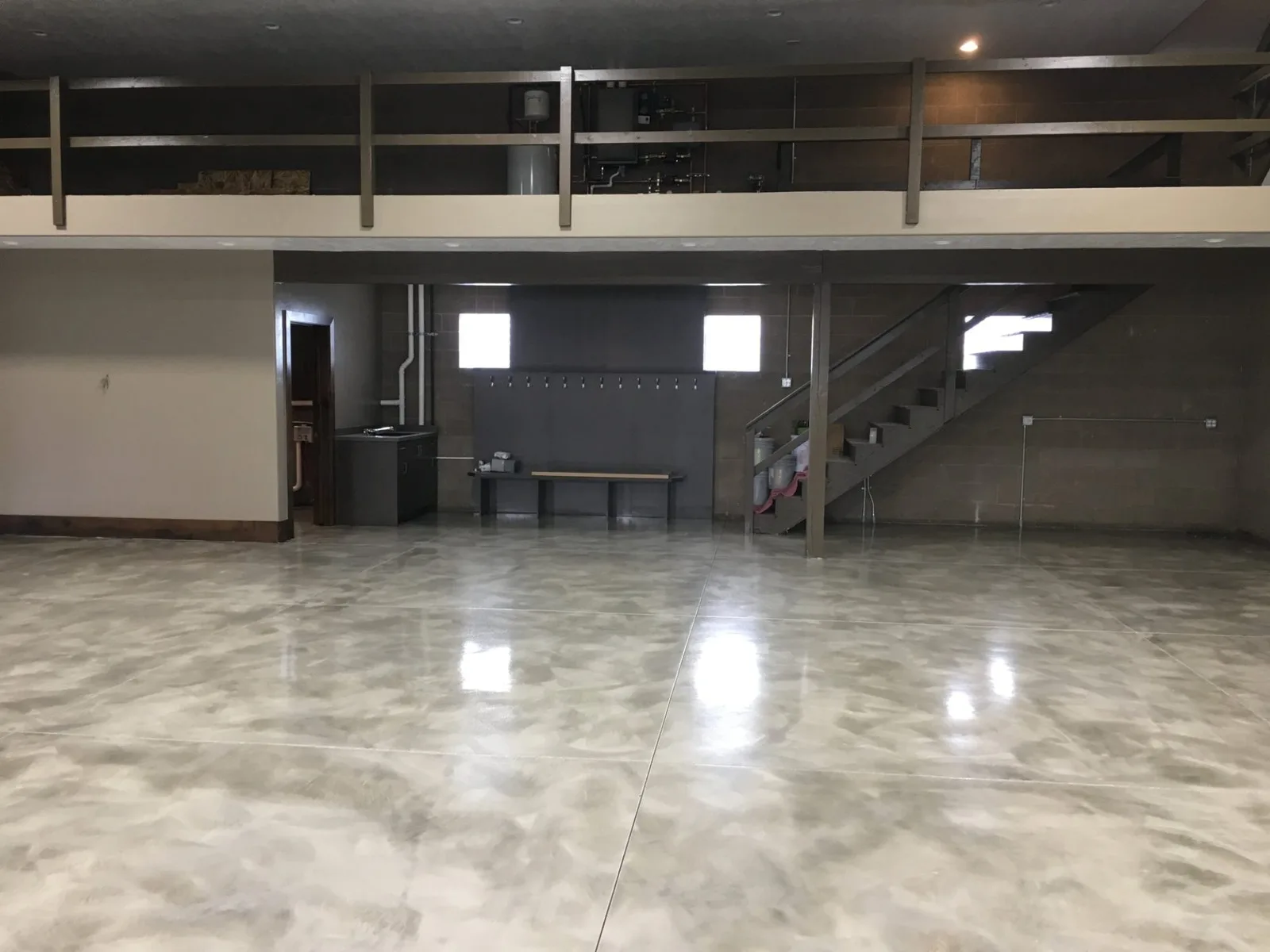
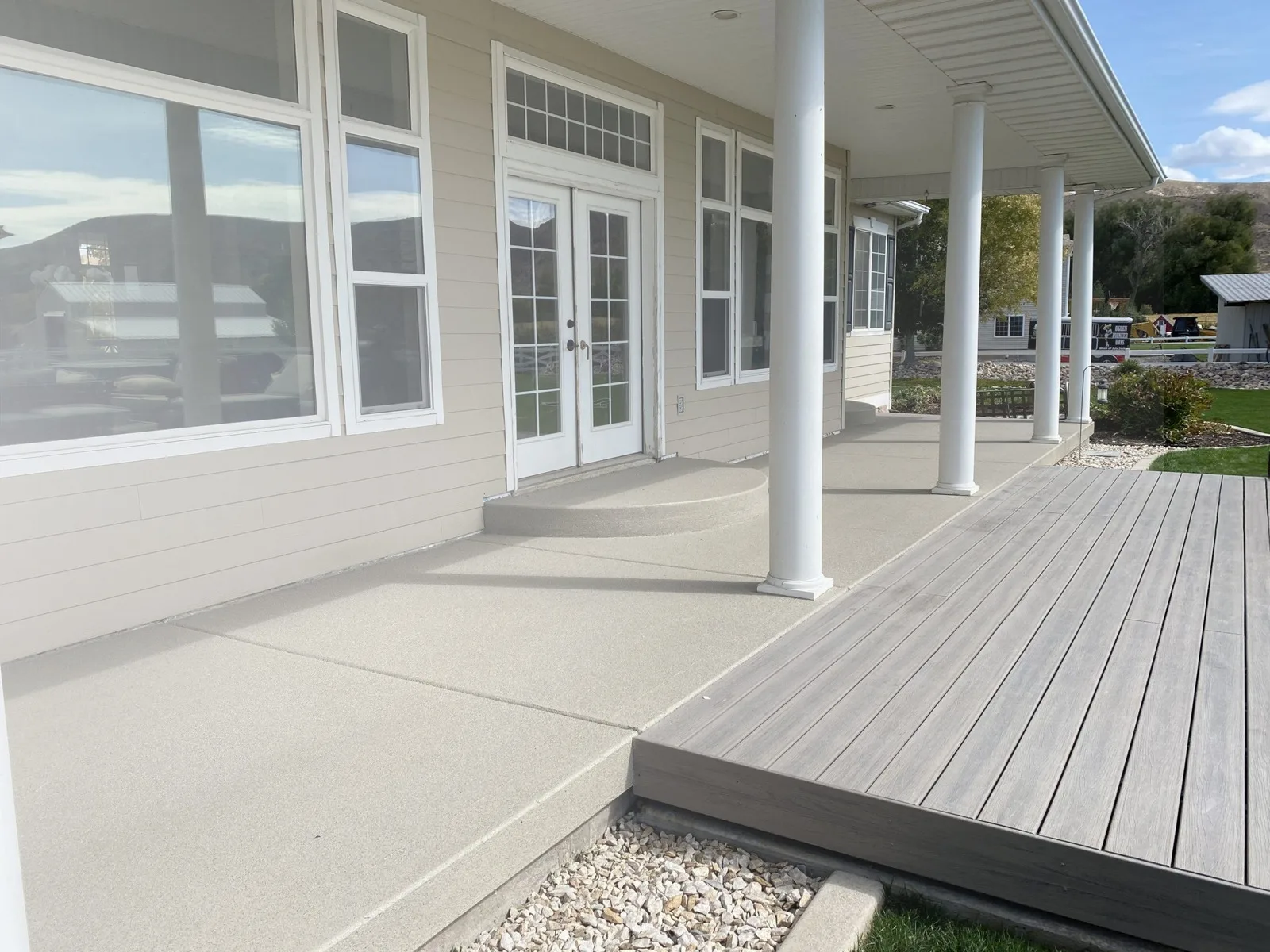
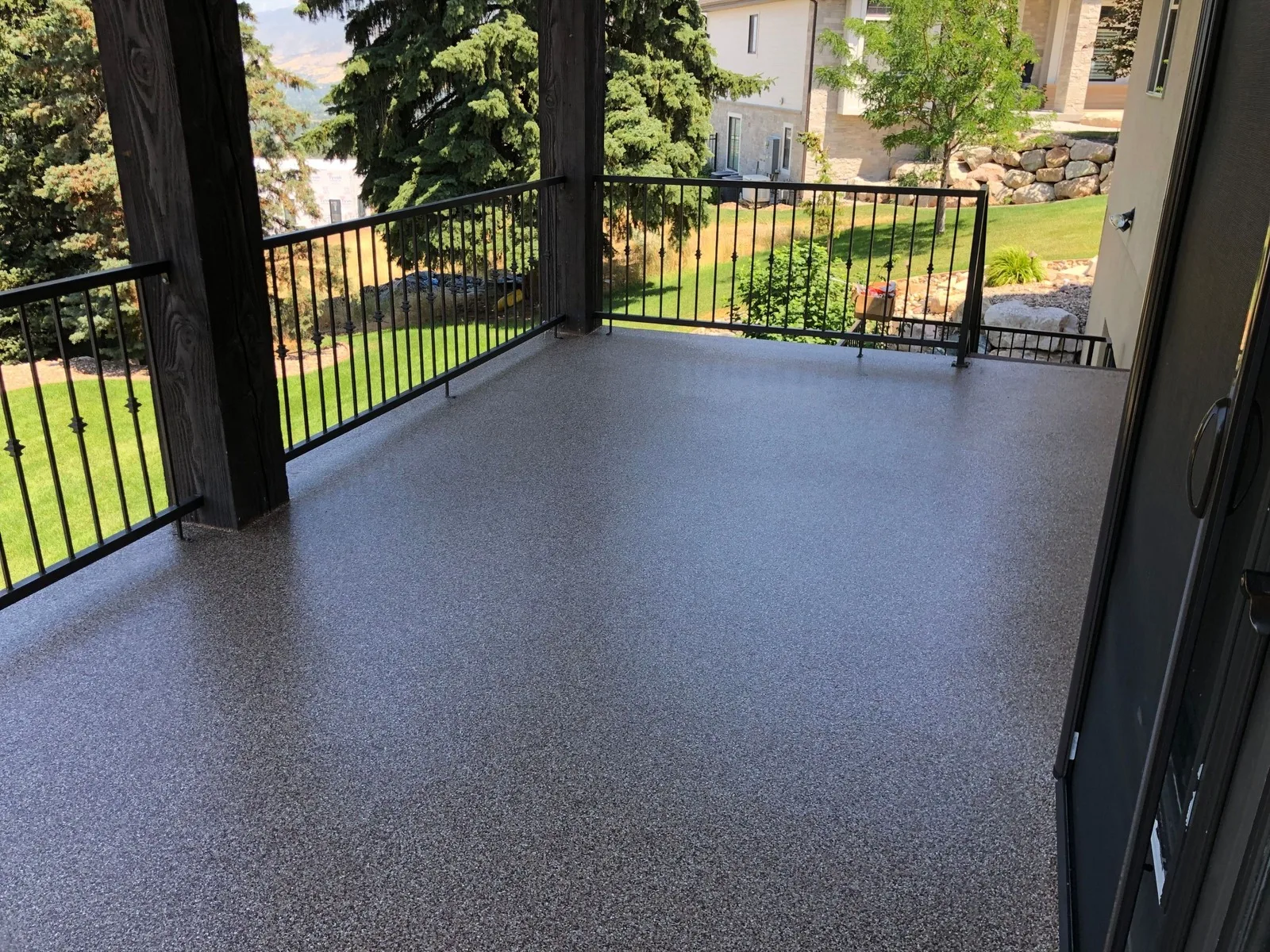
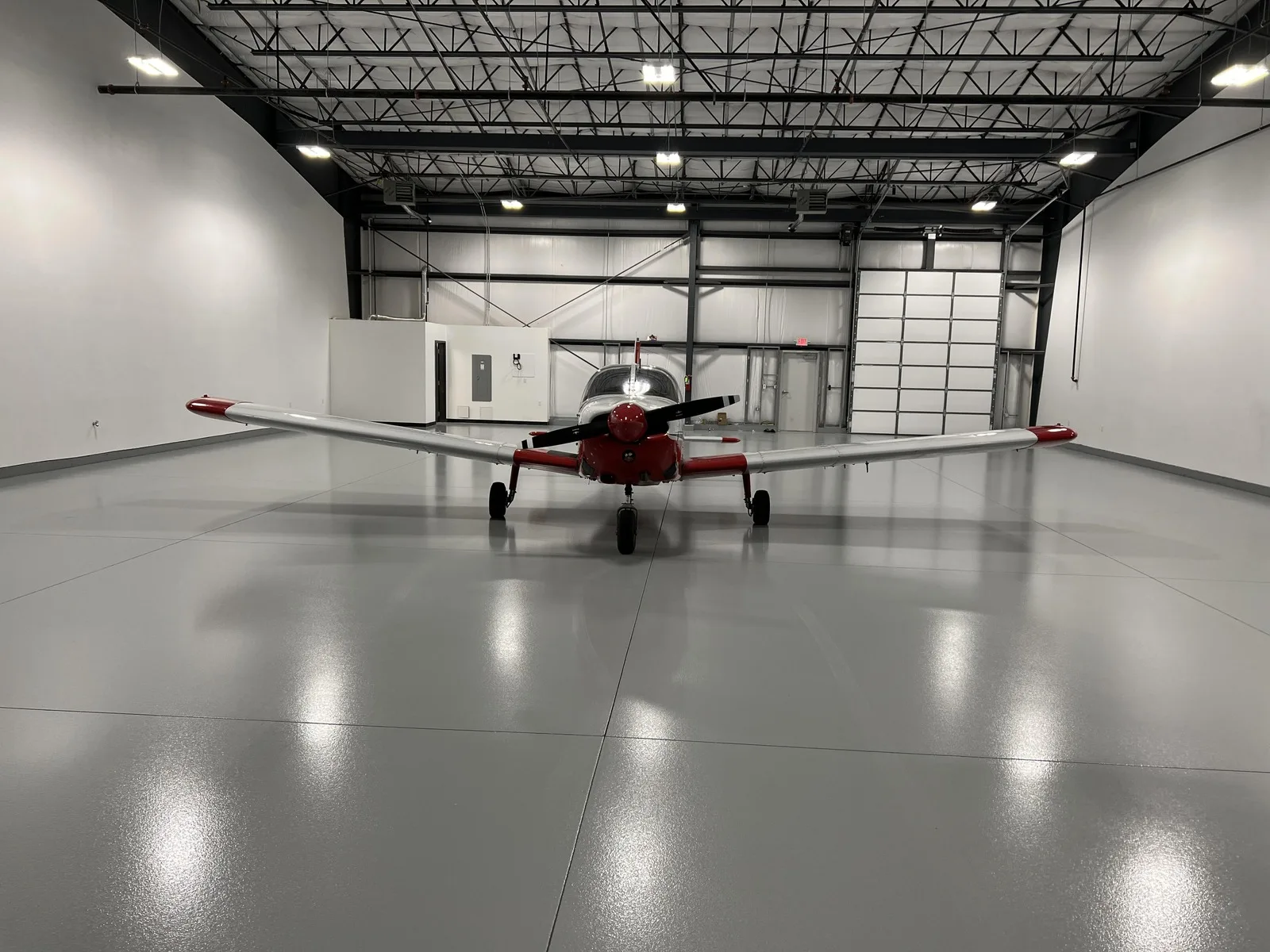
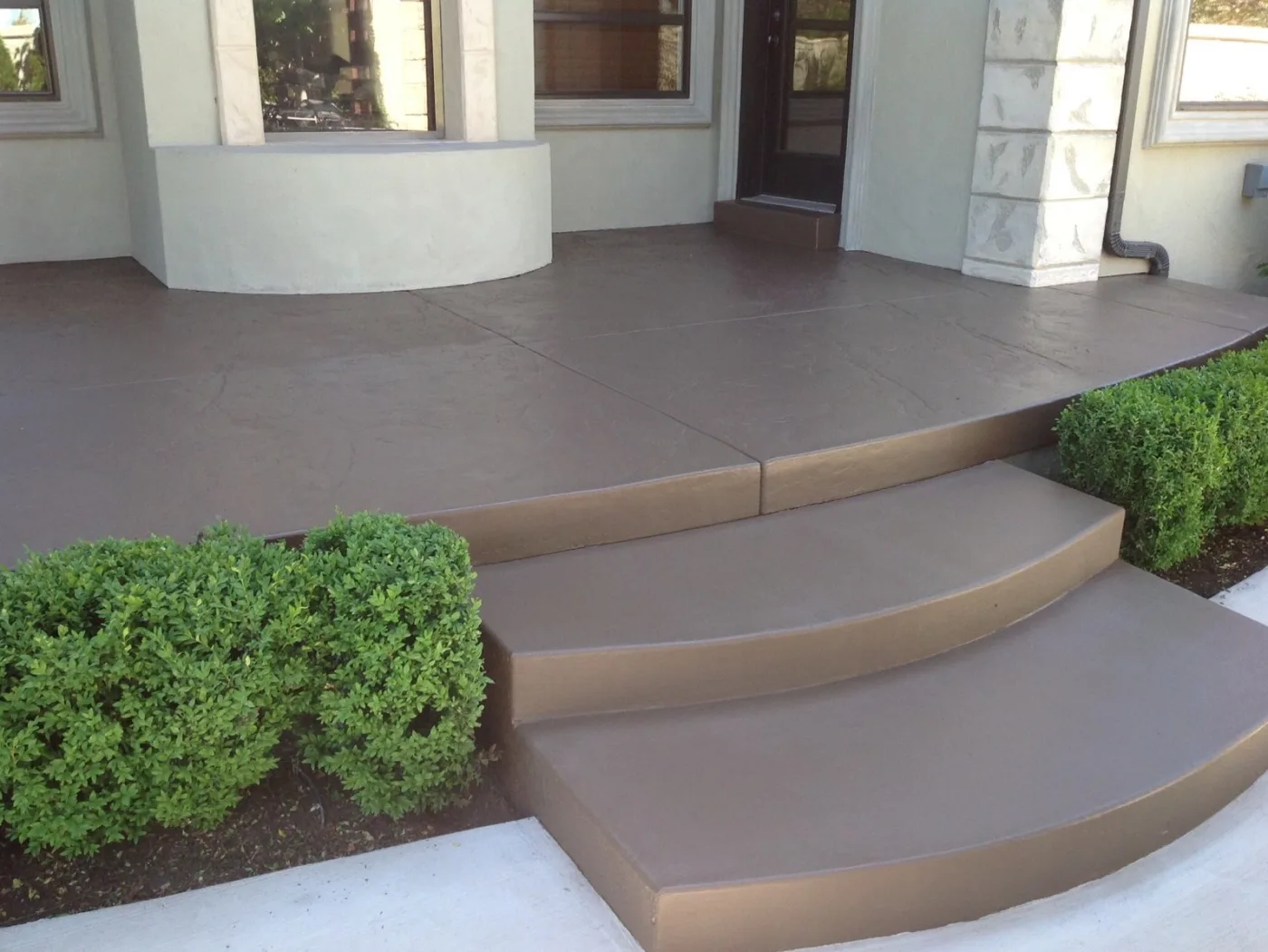
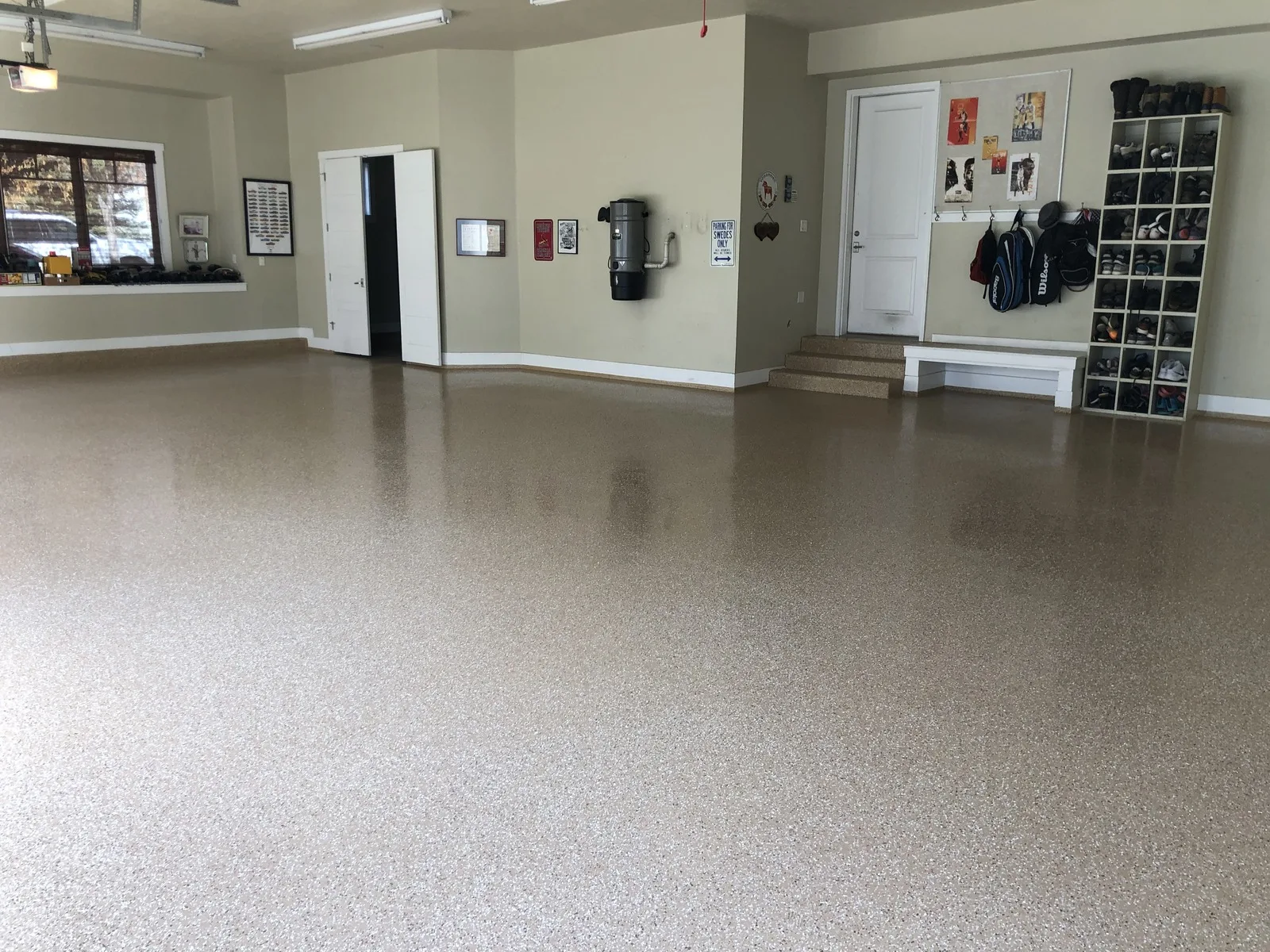
A patch on its own is still bare concrete. It soaks up water and salt again, and the repair line stays visible. So most repairs finish with something over the top. On a garage floor that is usually a flake epoxy or polyaspartic system. It hides the patchwork and seals the slab. On a driveway, porch or patio it may be an overlay with color and a clear top coat. Tonya Gallegos described that version of the job: "Complete Concrete Coatings repaired all my damaged concrete, including my very old porch, covered it in the color I selected then applied a clear coat."
What does concrete repair cost in Utah?
Concrete repair is priced by the job. The biggest driver is how much of the slab is damaged. Filling 2 cracks in a garage floor is a small visit. Rebuilding a spalled driveway apron is a bigger one. The cause matters next. Plain surface wear is straightforward to fix. Damage that runs deep takes more cutting and more material. So does a slab with a weak top layer from a bad pour. What goes on top moves the number again. A repair left bare costs less than one finished with a penetrating sealer, a color overlay or an epoxy system. Access and old failed coating add labor too.
We give a price after we look at the slab in person, and the estimate is free. Someone comes out, checks the damage and tells you what caused it and how far it goes. You get a written price for the repair and the finish you pick. That lets you weigh it against what a tear-out and re-pour would run. We repair concrete across the Wasatch Front: Centerville, Bountiful, Farmington, Kaysville, Layton, Ogden and south through Salt Lake County. Call (801) 347-4518 Monday through Friday, 8am to 5pm, and the office will get you on the schedule.